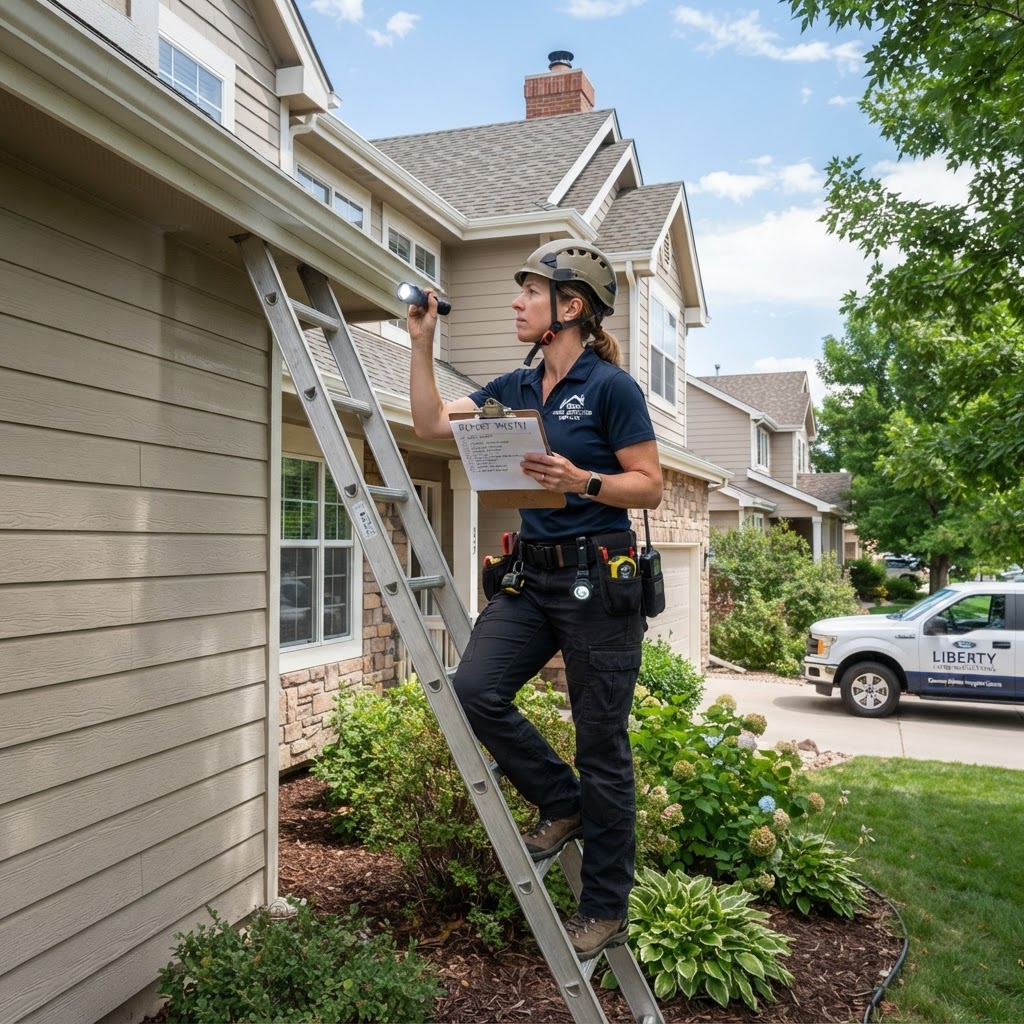
Home Inspections & Appraisals: What to Expect
Understand the difference between inspections and appraisals, common issues buyers find, and how to prepare.
Inspection vs Appraisal
These are two different but equally important processes in home sales.
Home Inspection
- Purpose: Evaluate condition & identify issues
- Who Pays: Buyer (optional but recommended)
- Cost: $300–$500
- Duration: 2–3 hours
- Ordered By: Buyer's agent/lender
- Inspector: Licensed, neutral third party
Appraisal
- Purpose: Determine market value
- Who Pays: Buyer/lender (required)
- Cost: $400–$800
- Duration: 1–2 hours on-site
- Ordered By: Buyer's lender
- Appraiser: Licensed, certified professional
Key Difference: Inspections evaluate condition; appraisals determine value. Both protect the buyer.
Common Issues Inspectors Find
Be prepared for these typical findings. Minor issues are normal; major ones can derail deals or require price reductions.
Major Red Flags (Deal-Breakers):
- • Structural damage or foundation cracks
- • Roof needing replacement ($5,000–$15,000)
- • Termite/pest infestation
- • Mold or water damage
- • Failed septic or electrical systems
- • Hazardous materials (lead paint, asbestos)
Common Minor Issues:
- • Roof shingles needing replacement (cosmetic)
- • Caulking/weatherstripping
- • Paint peeling or water stains
- • Outdated appliances
- • Minor plumbing leaks
- • Loose railings or handholds
Preparing for Inspection & Appraisal
Simple steps to make a good impression and avoid surprises.
Before Inspection Day:
- ✓ Deep clean the entire home (especially kitchen & bathrooms)
- ✓ Clear attic, basement, crawlspace of clutter
- ✓ Ensure utilities are on and heating/AC functional
- ✓ Fix obvious issues: leaky faucets, blown bulbs, broken screens
- ✓ Trim overgrown landscaping & fix obvious exterior damage
- ✓ Gather maintenance records: roof, HVAC, electrical, plumbing
- ✓ Have inspector access all areas (attic, crawlspace, basement)
During Inspection:
- ✓ Be available to answer questions about the home
- ✓ Provide copies of repair receipts, warranties, permits
- ✓ Highlight recent upgrades or improvements
- ✓ Stay calm if issues are found — this is normal
Inspection Report & Negotiations
The inspection report often triggers negotiations. Know your rights.
Typical Outcomes After Inspection:
- ✓ No issues found: Deal proceeds as planned
- ✓ Minor issues: Buyer accepts or asks for credits
- ✓ Significant issues: Buyer may ask for repair credits or price reduction
- ✓ Major issues: Buyer may renegotiate or walk away
Pro Tip: Pre-inspection (before listing) can identify issues early so you can decide whether to repair, disclose, or adjust your asking price.
Understanding the Appraisal
The appraisal protects the buyer's lender. If it comes in low, it can complicate closing.
What Appraisers Evaluate:
- • Square footage, lot size, age of home
- • Condition & upgrades
- • Comparable sales (see previous guide)
- • Market conditions (buyer's vs seller's market)
- • Location desirability & neighborhood trends
Low Appraisal? If the appraisal comes in below purchase price, the buyer's lender won't approve the full loan amount. Options: renegotiate price, buyer increases down payment, or deal falls through.