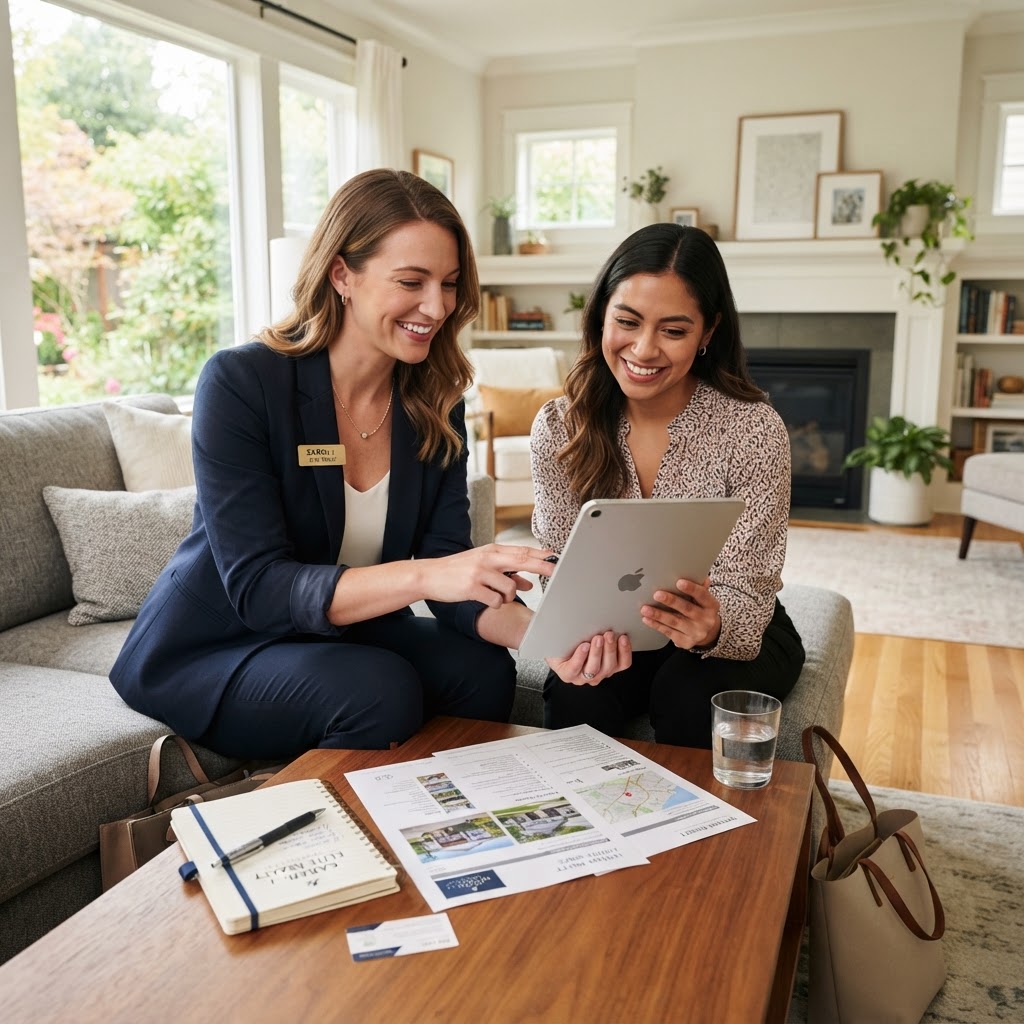
What to Expect From Your Real Estate Agent
A great agent is your biggest asset when selling. Here's what they should do—and questions to ask.
What a Good Agent Should Do
Provide a Comparative Market Analysis (CMA)
Analyze recent sales of similar homes to recommend a competitive asking price. A good CMA means faster sale and higher price.
Stage & Market Your Home
Recommend staging, arrange professional photography, create virtual tours, and list on MLS + major portals (Zillow, Realtor.com, Redfin).
Schedule & Attend Showings
Coordinate buyer tours, provide feedback on showings, and identify buyer interest levels and objections.
Negotiate on Your Behalf
Review offers, advise on strengths/weaknesses, negotiate price and terms, and advocate for your interests in counteroffers.
Coordinate Inspections & Appraisals
Prepare home for buyer inspections, manage timing, and help negotiate repair requests based on findings.
Manage the Closing Process
Coordinate with title company, lender, and buyer's agent to ensure all documents are prepared and closing happens on time.
Questions to Ask Your Agent
1. How long have you been selling homes in this area?
Look for 5+ years local experience. They understand market trends, buyer behavior, and pricing.
2. What's your average days-on-market?
Top agents in competitive markets achieve 20-40 days. Longer suggests lower prices or weak marketing.
3. What's your commission rate?
Standard is 5-6% total (split buyer/seller). Negotiate if you're selling a high-price home or high-volume transaction.
4. How will you market my home?
Should mention: professional photos, virtual tours, social media, email blast to buyer list, MLS syndication.
5. What's your experience with homes like mine?
Ask about recent sales of similar homes in your neighborhood. They should have specific examples.
6. How often will you communicate with me?
Expect weekly updates minimum. During active period (showings/offers), should hear from them daily.
Why Working With an Agent Is Best
Selling with an Agent
Pros: Professional marketing, MLS access, negotiation expertise, handles showing coordination, reaches all buyers.
Cons: Commission 5-6%, less control, pressure to sell quickly.
📊 Data shows: Homes sold with agents average 15-20% higher final price, despite commission, due to broader exposure and better negotiation.