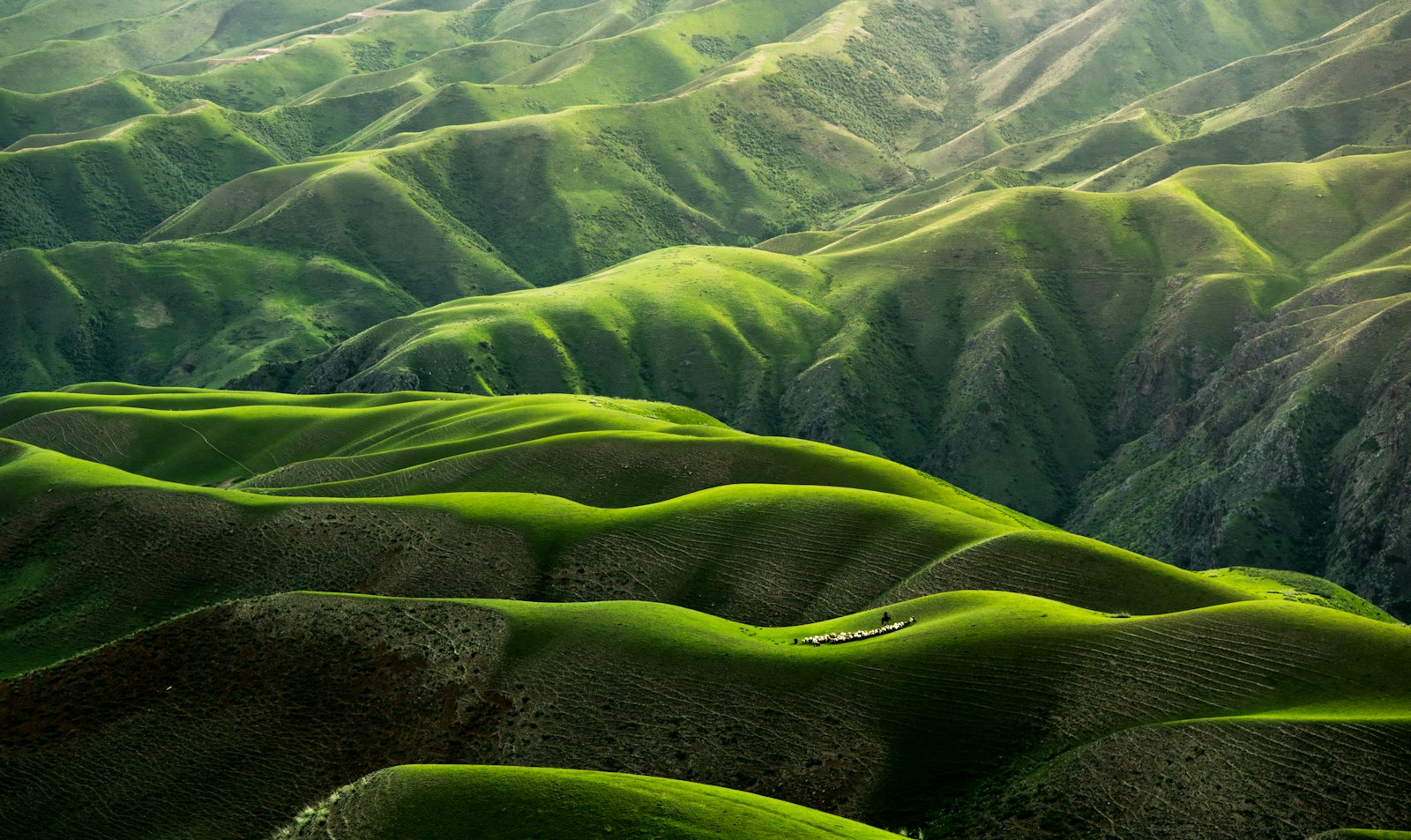
Outdoor Life in Montana
Why people move here — and why they stay. Six outdoor pursuits that define life in Big Sky Country.

Fly Fishing
Blue-ribbon rivers and wild trout
Montana is fly fishing's holy land. The Madison, Gallatin, Yellowstone, Big Hole, and Missouri Rivers are world-renowned. Guided trip seasons run April through October.
The Madison River
Flowing north from Yellowstone through Ennis, the Madison is arguably the most famous trout river in the world. Large rainbow and brown trout in the 18–22 inch range are common. Crowded in summer, magical in fall.
The Missouri River
Below Holter Dam near Craig, the Missouri runs cold and clear through canyon country. Catch rates of 20–40 fish per day are documented. The spring and fall midge hatches are exceptional for technical dry fly fishing.
The Big Hole River
The last major river in Montana with a native fluvial Arctic grayling population. The upper Big Hole near Wisdom is sublime wilderness fishing. Lower reaches near Divide hold large browns.
The Smith River
Montana's most coveted float fishing experience. A 5-day wilderness float through limestone canyons accessible only by river. Permits are drawn by lottery — apply in January for the coming season.
Spring Creeks
The spring creeks near Livingston (Armstrong, Nelson, DePuy) are private-access limestone streams that produce prolific hatches and technical fishing year-round. Day rod fees range from $125–$200 but deliver extraordinary experiences.
💡 Pro Tip
Best seasons: May–June (runoff permitting), September–October. Hire a licensed guide for your first trip to learn the specific river's patterns.
Hunting
World-class elk, mule deer, and upland birds
Montana offers some of the finest public land hunting in North America. Elk, whitetail and mule deer, pronghorn antelope, black bear, mountain lion, upland birds, and waterfowl all draw hunters from across the country.
Elk Hunting
Montana's elk population is among the healthiest in the country. General season archery opens in September; rifle season runs late October through November. The Bob Marshall Wilderness, Beartooth, and Breaks country hold exceptional bulls.
Mule Deer
Eastern Montana's badlands and breaks country is world-renowned for trophy mule deer. Petroleum and Garfield counties produce Boone & Crockett bucks annually. Antler quality and population density rival any mule deer habitat in the West.
Antelope
Montana's eastern prairies are loaded with pronghorn antelope — the fastest land animal in the Western Hemisphere. Over-the-counter licenses are available most years and hunting success rates consistently exceed 85%.
Upland Birds
Sharptail grouse, Hungarian partridge, pheasant, and sage grouse inhabit Montana's grasslands and coulees. The Hi-Line and Milk River country are among the top grouse destinations on the continent.
Outfitters & Guides
Montana has hundreds of licensed outfitters offering fully outfitted wilderness pack trips, day hunts, and drop camps. A quality guided elk hunt in the Bob Marshall Wilderness runs $5,000–$15,000. Many outfitters are booked 2–3 years in advance.
💡 Pro Tip
Many Montana hunting licenses are over-the-counter. For limited entry species (mountain goat, bighorn sheep, moose), apply for draw licenses by June 1. Non-residents must use licensed outfitters for all wilderness big game hunting.

Skiing & Snowboarding
The largest ski resort in the US and much more
Montana's ski scene is world-class. Big Sky Resort alone has more skiable terrain than Vail and Aspen combined. Whitefish, Bridger Bowl, and Maverick Mountain offer superb alternatives with far shorter lift lines.
Big Sky Resort
5,800+ skiable acres, 300+ runs, 4,350 vertical feet. It's the largest ski resort in the US. Lone Peak's infamous 'Big Couloir' challenges expert skiers. Off-piste terrain in Montana's largest mountains is endless. Crowds are notably lighter than comparable Colorado resorts.
Whitefish Mountain Resort
Located in the Flathead Valley near Glacier National Park, Whitefish has 3,000+ acres, 300 inches of annual snowfall, and a charming base village. The combination of skiing and Glacier proximity makes this one of the top ski destinations in the country.
Bridger Bowl
Bozeman's local mountain — nonprofit, community-owned, and beloved. 2,000 acres of skiing with famously challenging 'The Ridge' expert terrain. Season passes are among the most affordable in Montana. No destination resort atmosphere.
Maverick Mountain
Remote, uncrowded, and authentic. Located near Dillon in southwest Montana, Maverick has been a locals' secret for decades. 2,000 vertical feet, minimal crowds, and extraordinary powder days thanks to its position in the storm track.
Backcountry Skiing
Montana's mountains offer extraordinary backcountry opportunities. The Beartooths, Bitterroots, Bob Marshall, and Crazy Mountains all hold massive skiable terrain. The Beehive Basin near Big Sky is one of the most accessible beginner-to-intermediate touring destinations.
💡 Pro Tip
Big Sky is least crowded on weekdays in January and early February. If you're visiting Whitefish, combine with a winter trip to Glacier — cross-country skiing and snowshoeing in the park is spectacular.
Hiking & Backpacking
Glacier's 700 miles of trails and the wild Bob Marshall
Montana offers some of the most spectacular and least-crowded backcountry in the lower 48. Glacier National Park, the Bob Marshall Wilderness, and the Beartooth Plateau are cornerstones of America's wild lands.
Glacier National Park
700+ miles of maintained trails ranging from easy lake-shore walks to multi-day wilderness routes. The Highline Trail along the Garden Wall is arguably the most spectacular day hike in the lower 48. Grinnell Glacier and Iceberg Lake are iconic destinations.
The Bob Marshall Wilderness
At 1.5 million acres, the Bob Marshall Wilderness Complex (including Scapegoat and Great Bear Wildernesses) is the largest roadless area in the lower 48 outside of Alaska. No mechanized vehicles of any kind — access by foot or horse only.
The Beartooth Plateau
Alpine tundra at 10,000+ feet along the Wyoming-Montana border. The Beartooth Highway (US 212) provides access to trailheads. Day hikes to alpine lakes and multi-day routes into the Absaroka-Beartooth Wilderness offer solitude even in peak summer.
Absaroka-Beartooth Wilderness
Adjacent to Yellowstone's north boundary, this 943,000-acre wilderness has 700+ miles of trails. The Slough Creek valley and Boulder River drainages offer iconic Montana wilderness experiences.
Trailhead Access
Montana's National Forest road system provides access to hundreds of trailheads that put hikers in serious wilderness in 30 minutes. Many trails are hikeable from late June through September — higher routes remain snow-free only July–September.
💡 Pro Tip
Always carry bear spray in Montana — this is grizzly country. Register at trailhead kiosks in Glacier. Glacier campsite reservations open in January and fill within minutes — book early.

Rafting & Kayaking
Family floats to Class V whitewater
Montana's rivers offer everything from gentle family float trips to expert-level whitewater. The Flathead, Gallatin, and Alberton Gorge on the Clark Fork are the state's most popular rafting runs.
Flathead River
The Middle Fork, North Fork, and Main Flathead offer diverse experiences — from multi-day wilderness floats through Glacier's backcountry (Middle Fork) to Class IV whitewater through the canyon below Hungry Horse Dam.
Gallatin River (House Rock section)
One of Montana's most commercially popular whitewater runs. The Gallatin canyon between Big Sky and Bozeman has Class III–IV rapids. Dozens of outfitters run half-day and full-day trips from June through August.
Alberton Gorge (Clark Fork)
Located 40 miles west of Missoula, the Alberton Gorge is Montana's most technically demanding commercial whitewater. Class IV rapids through a deep canyon — spring runoff in May and June provides the biggest water.
The Smith River Float
Montana's premier permitted float fishing experience (mentioned above). But non-anglers can also float the Smith — the canyon scenery and camping are world-class. Apply for the lottery in January.
Stand-Up Paddleboarding
Flathead Lake, Georgetown Lake, and dozens of smaller lakes offer flat-water paddleboarding. The town of Whitefish has a thriving SUP rental scene. Early morning on Flathead Lake in calm conditions is extraordinary.
💡 Pro Tip
Spring runoff (May–June) creates the biggest water but also the most dangerous conditions. If you're new to Montana whitewater, go with a licensed outfitter first to learn the character of each specific run.
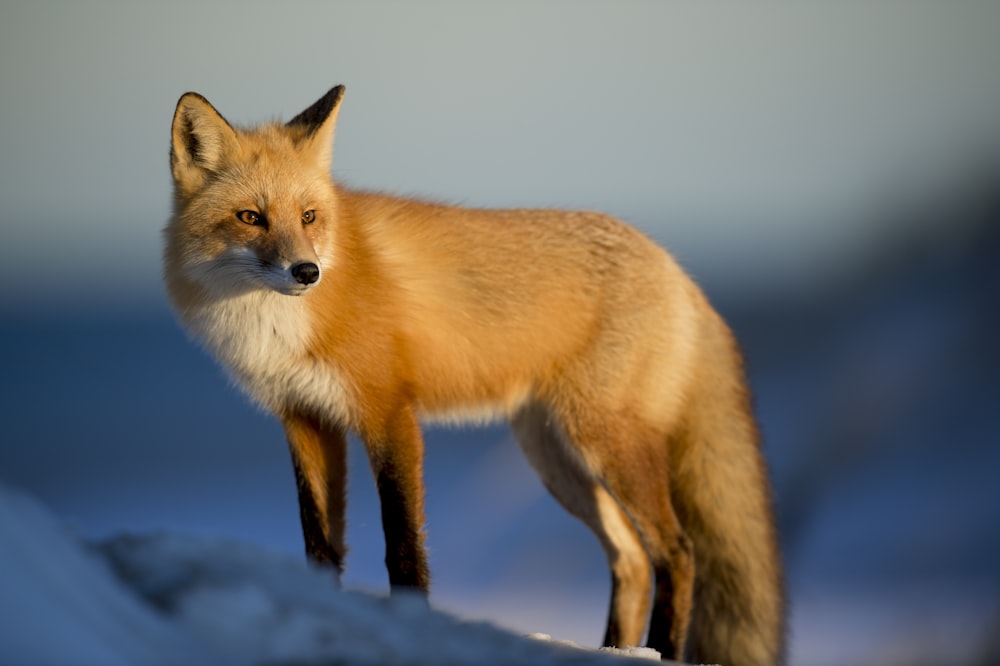
Wildlife Viewing
The best place on Earth to see wild wolves
Montana offers wildlife encounters that are simply impossible elsewhere in the lower 48. Yellowstone's Lamar Valley is the world's premier wolf viewing location. Glacier hosts grizzlies. The Hi-Line has golden eagles and prairie dogs.
Yellowstone's Lamar Valley
The 'Serengeti of North America.' Year-round wolf packs — the Wapiti Lake Pack, Junction Butte Pack, and others — are observable from the road with spotting scopes. Bison herds in the thousands, grizzly bears digging for biscuit root, and golden eagles are daily sightings.
Glacier's Wildlife
Glacier is home to grizzly bears, gray wolves, mountain goats, bighorn sheep, lynx, wolverines, and moose. The Many Glacier valley is the best concentrated wildlife viewing area. Going-to-the-Sun Road is excellent for mountain goat sightings.
American Bison
Yellowstone's bison herd is the largest continuously wild bison herd in the world (~5,000 animals). Montana also has the National Bison Range near Charlo, a 19,000-acre refuge with 400+ bison.
Migratory Birds
Montana lies along a major flyway for migratory waterfowl. The Freezout Lake Wildlife Management Area near Choteau sees hundreds of thousands of snow geese during spring migration — one of the most dramatic wildlife events in the West.
Elk & Deer Everywhere
Elk are visible throughout western Montana almost year-round. Thousands winter near Gardiner at the 'Feed Ground' north of Yellowstone. Mule deer are abundant throughout eastern Montana's breaks country.
💡 Pro Tip
Dawn and dusk are the best wildlife viewing times year-round. Bring a spotting scope or binoculars with at least 8x magnification. In Yellowstone, a 20x spotting scope is the difference between watching a wolf pack hunt and just watching small black dots move.