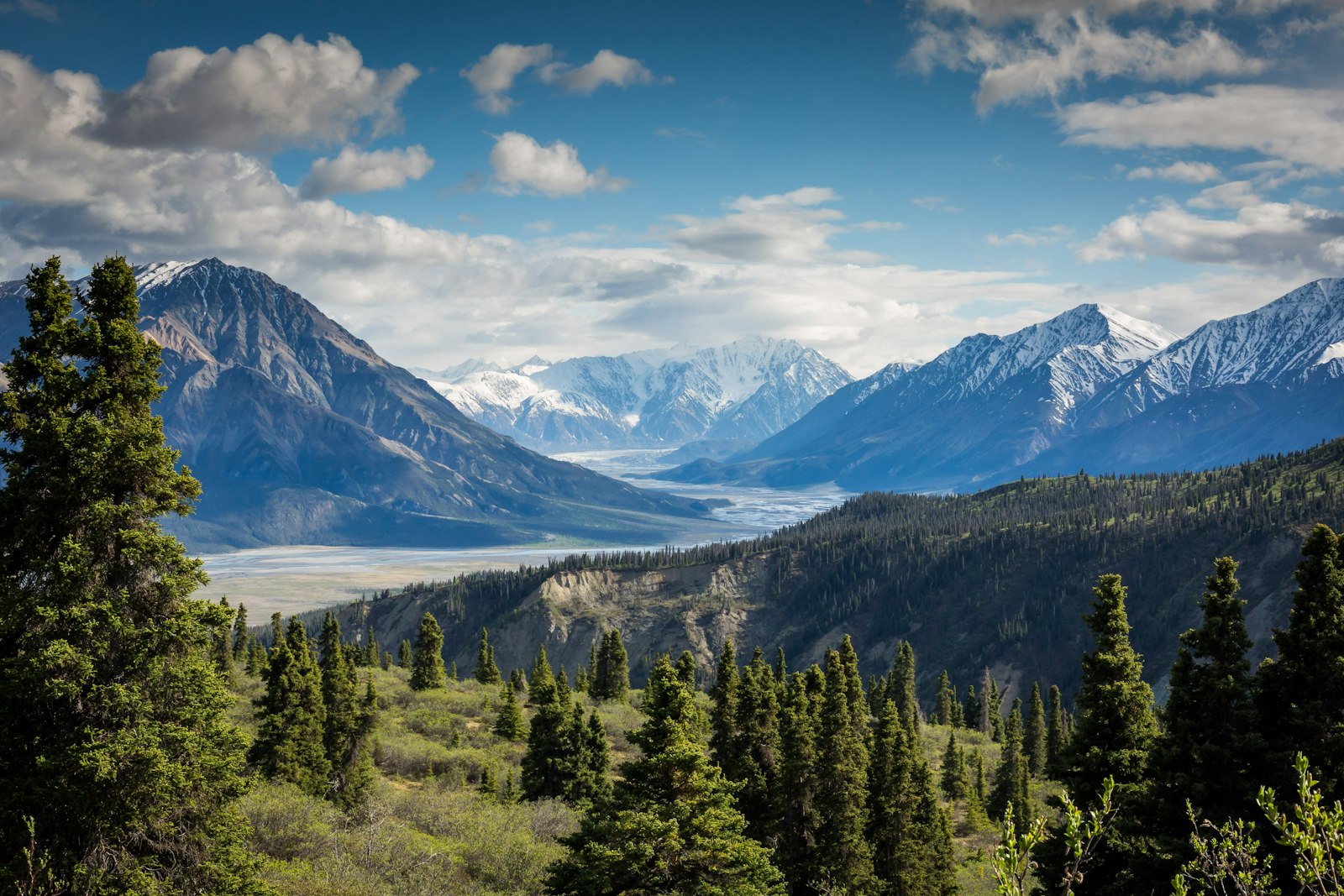
Montana's Four Seasons
From wildflower springs to powder winters — each season transforms Big Sky Country into something completely different.
Spring
April – May
Spring in Montana is a dramatic thaw — rivers surge with snowmelt, wildflowers carpet alpine meadows, and migratory birds return in waves. It's one of the most dynamic seasons in the Rockies.
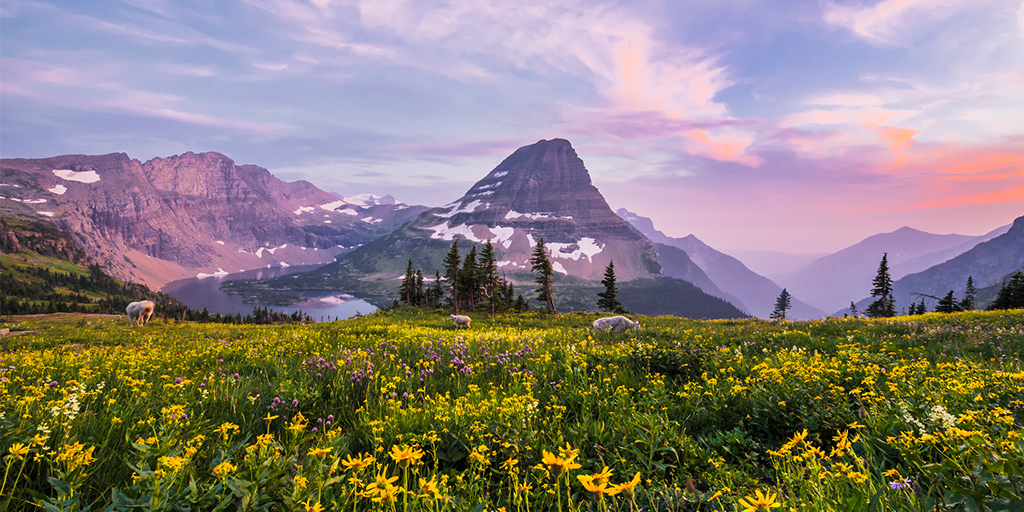
Wildflowers
By late April, valleys at lower elevations erupt with balsam root, lupine, and glacier lilies. Higher meadows follow in May and June. The Rocky Mountain Front near Choteau is a standout destination.
Runoff & Rivers
Snowmelt sends Montana's rivers to their highest levels of the year. The Clark Fork, Flathead, and Gallatin run fast and cold — excellent for experienced kayakers and a visual spectacle for everyone else.
Wildlife Activity
Grizzlies emerge from dens in March and April, often visible in Glacier and Yellowstone. Elk calves arrive in May. Waterfowl migration peaks with thousands of ducks and geese moving through the Missouri River corridor.
Fishing Season Opens
Many blue-ribbon streams open to fishing in late May. The pre-runoff window in April can produce exceptional dry fly fishing on spring creeks that aren't affected by snowmelt.
Mud Season
Rural roads throughout Montana turn to deep mud in spring — locals call it 'mud season.' Many forest roads remain closed through May or even June at higher elevations.
🏠 Real Estate in Spring
Spring is often the best time to buy in Montana. Sellers who listed in fall are motivated, inventory begins building, and you'll face less competition than summer. Smart buyers make their moves in April and May.
Summer
June – August
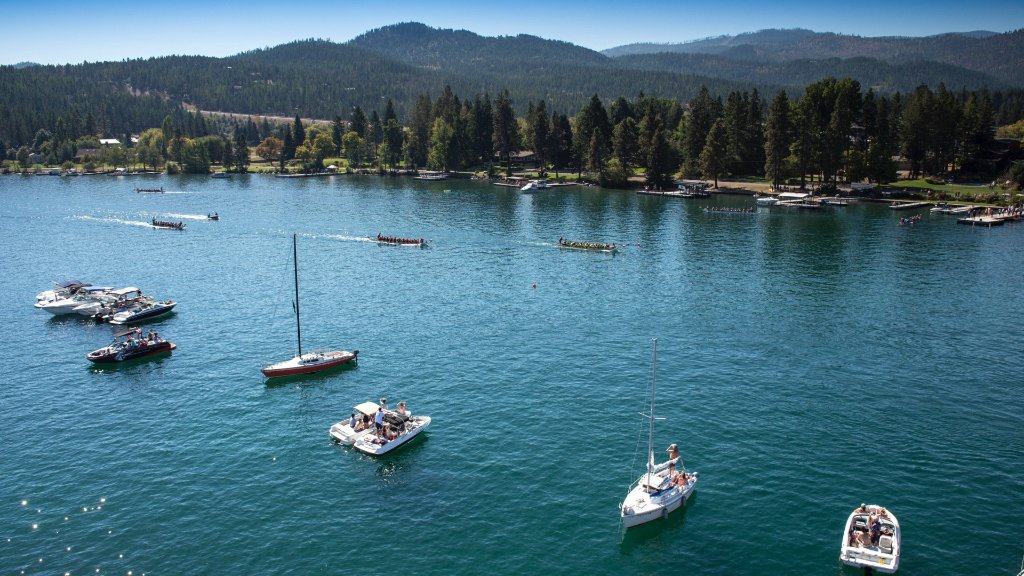
Montana's summer is short, glorious, and relentlessly sunny. Long days (up to 16 hours of daylight), warm valleys, cool mountains, and an outdoor festival calendar that never quits.
Glacier's Going-to-the-Sun Road
The most iconic drive in America fully opens in late June or early July. The 50-mile road crosses the Continental Divide at Logan Pass — expect mountain goats, bighorn sheep, and jaw-dropping views.
Farmers Markets & Festivals
Every Montana city runs weekly farmers markets from June through September. Missoula, Bozeman, and Helena host major music festivals. Rodeos and county fairs fill nearly every summer weekend.
Hiking & Backpacking
Glacier's 700+ miles of maintained trails become accessible. The Bob Marshall Wilderness, Beartooth Plateau, and Cabinet Mountains offer world-class multi-day routes with minimal crowds compared to national park hubs.
River Recreation
Once runoff subsides in late June, rivers settle into perfect floating conditions. The Flathead, Gallatin, and Madison are world-famous for guided fly fishing and whitewater. The Smith River float is one of the most coveted permits in the West.
Wildfire Season
Late July and August can bring wildfire smoke, particularly in Western Montana. Air quality varies significantly year to year. Dry lightning is common in the mountains — always check fire conditions before backcountry trips.
🏠 Real Estate in Summer
Peak buying season. Inventory is at its highest and buyers are most active. Competition is fierce in Bozeman, Missoula, and Kalispell — be prepared to move quickly and expect multiple-offer situations on desirable properties.
Fall
September – October
Many Montanans consider fall the finest season. Western larch and aspen paint the mountains gold. Elk bugle in the valleys. The air turns crisp and the crowds disappear.
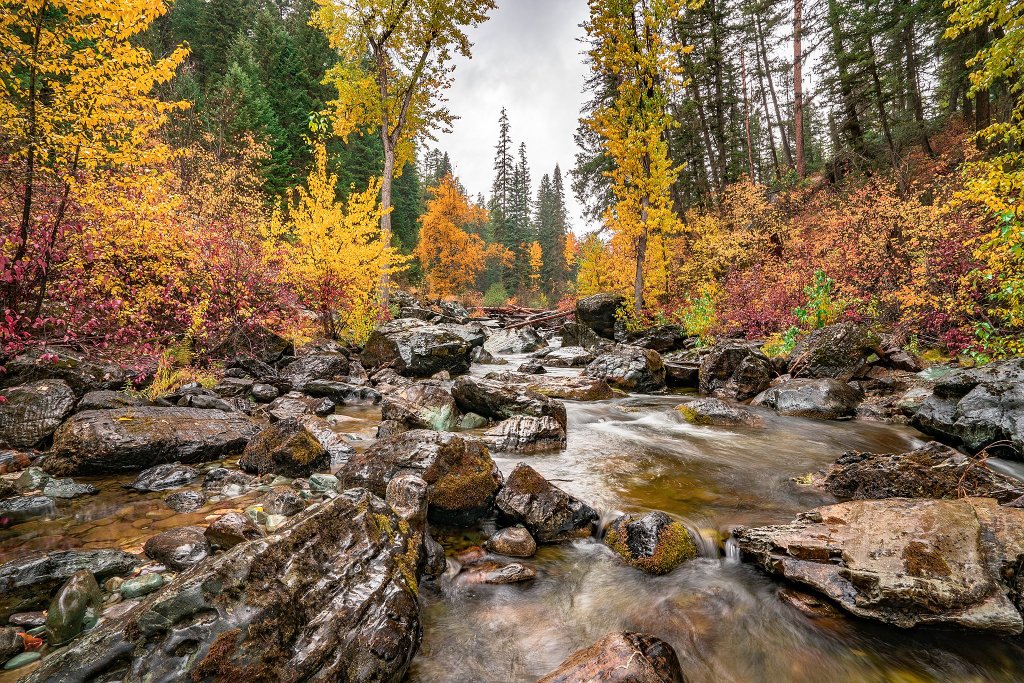
Western Larch Season
Montana's western larch — the only deciduous conifer in the Northern Rockies — turns a stunning gold in late September and October. The best displays are in Glacier, the Bitterroot, and Swan Valley. A spectacle unlike anything else in the lower 48.
Elk Rut
September is the elk rut. Bulls bugle through the night, and massive bulls with racks in velvet challenge rivals in alpine meadows. The Gardiner Basin south of Glacier and the Elk Island area near St. Ignatius are legendary viewing spots.
Big Game Hunting Season
Montana's general deer and elk season opens in late October. The state hosts some of the most coveted public land hunting in North America. Outfitters from across the country guide clients to remote wilderness camps in the Bob Marshall and Beartooth.
Fly Fishing Prime Time
September and October are arguably the best fly fishing months of the year. Water temperatures drop to optimal levels, crowds thin dramatically, and big browns go on the feed before winter. The Madison and Yellowstone rivers are exceptional.
First Snows
Mountain passes can receive snow as early as September. Valley floors typically see first snow in October. Many high-elevation roads and trails close for the season by early November.
🏠 Real Estate in Fall
The savvy buyer's window. Summer competition has cooled, but inventory is still present. Sellers who didn't find buyers in summer may be more motivated. Prices tend to soften slightly in October and November — historically excellent timing for negotiating deals.
Winter
November – March
Montana winters are serious. Temperatures can plunge to -40°F in eastern valleys. But they also bring world-class powder skiing, ice fishing on frozen lakes, and the Northern Lights over a moonlit snowscape.
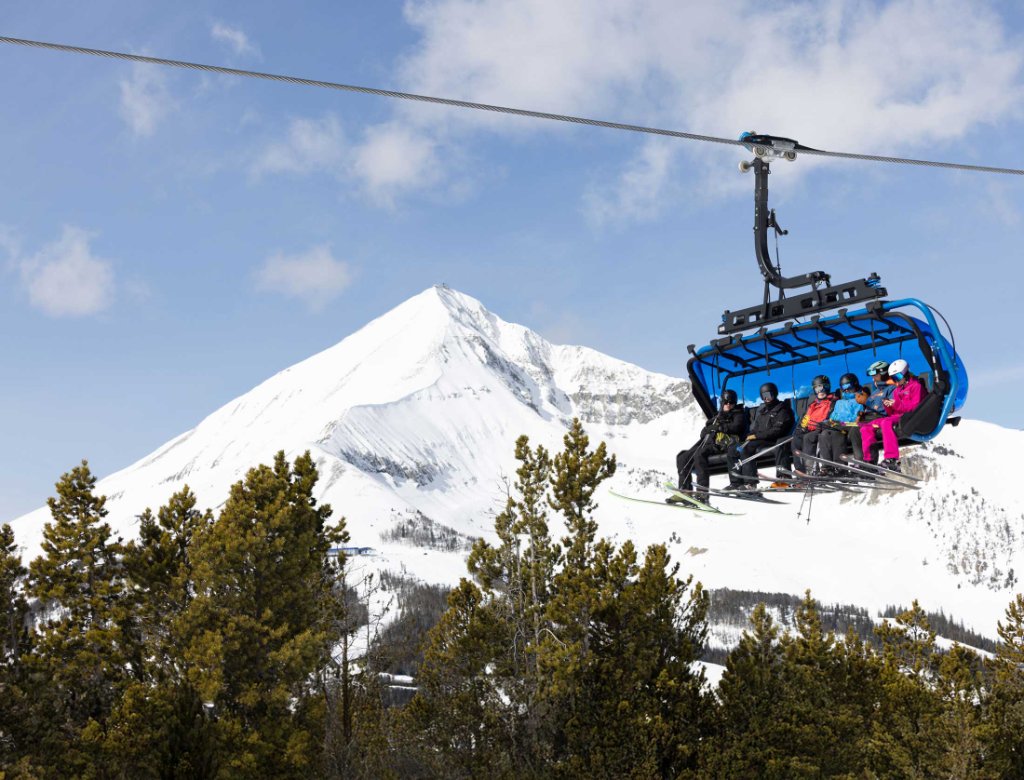
World-Class Skiing
Big Sky Resort — the largest ski area in the US with 5,800+ acres — offers powder days that rival anything in Colorado or Utah at a fraction of the crowds. Whitefish Mountain, Bridger Bowl, and Maverick Mountain round out a lineup that rivals any state in the country.
Northern Lights
Northern Montana lies at a latitude where aurora borealis is visible several times per year, especially in winter. The Havre and Milk River areas, far from city light pollution, offer some of the best aurora viewing in the lower 48.
Yellowstone in Winter
Winter transforms Yellowstone into a magical thermal landscape. Snow coaches carry visitors to Old Faithful and the Grand Prismatic Spring. Wolf packs are highly visible in the Lamar Valley with the snow cover.
Ice Fishing
Frozen lakes across Montana become ice fishing destinations from December through February. Fort Peck Reservoir, Flathead Lake, and countless smaller lakes yield walleye, pike, perch, and trout through the ice.
Chinook Winds
Warm Chinook winds can raise temperatures 50–60°F in a matter of hours along the Rocky Mountain Front, temporarily melting all the snow. Great Falls and Cut Bank are famous for dramatic Chinook events.
🏠 Real Estate in Winter
The least competitive time to buy in Montana. Inventory is lower but so is competition. Many sellers who couldn't sell in fall become very motivated by January and February. If you can visit in winter, you'll see the property — and the neighborhood — at its most challenging, which tells you a lot.