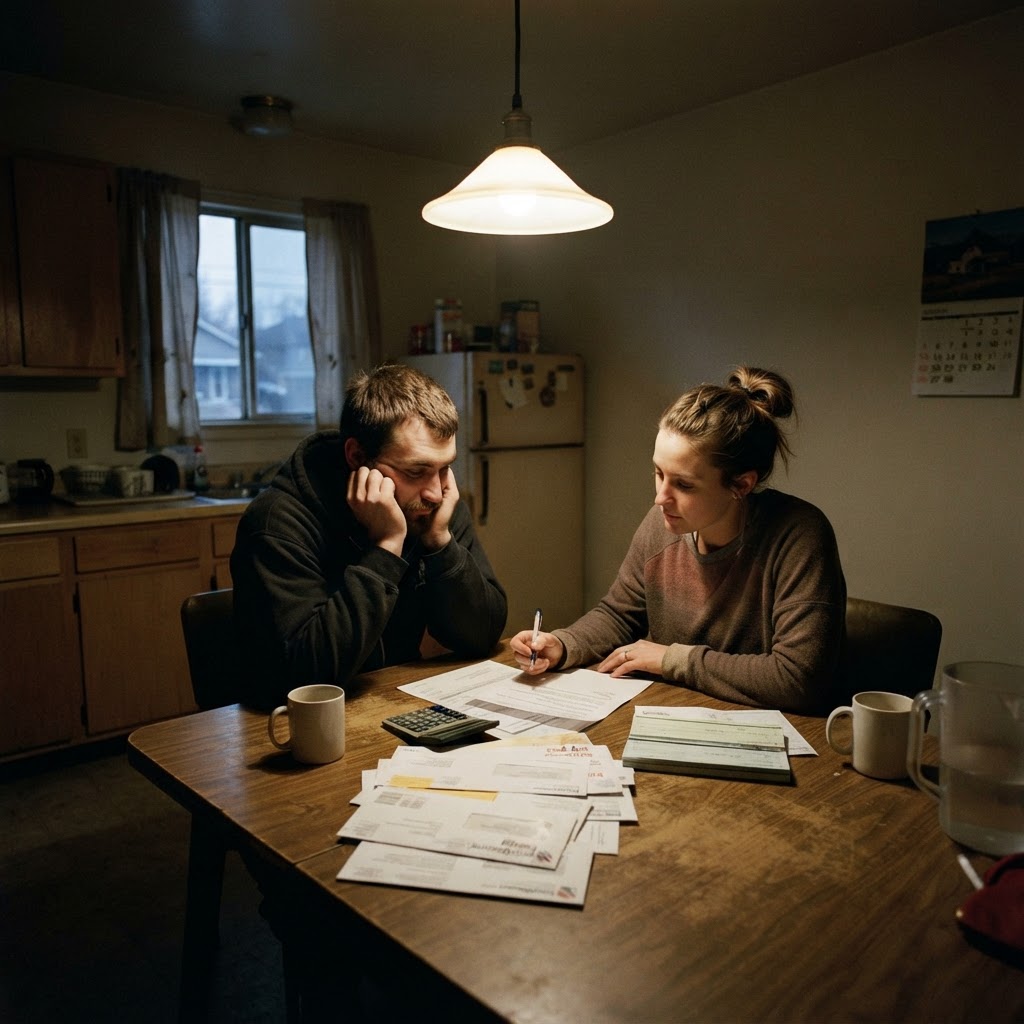
A recent statewide survey has underscored a sobering reality for the Treasure State: the cost of living, with housing affordability at the forefront, has become a defining concern for 80% of Montana’s registered voters. As families across the state navigate an increasingly complex economic landscape, the data highlights a significant divide in how different generations experience these financial pressures. While older residents, many of whom have long since paid off their mortgages, report fewer difficulties, the burden on younger Montanans is stark. Nearly a third of residents aged 18 to 44 describe the challenge of meeting their monthly rent or mortgage payments as very difficult, signaling a persistent barrier to entry for the next generation of homeowners.
The Growing Gap in Housing Accessibility
This widespread anxiety is not without merit. With the median listing price for homes in Montana currently hovering around $647,000, the dream of homeownership is becoming increasingly elusive for many working-class families. The disconnect between rising property values and local income levels has created a market where even moderate-income earners struggle to find stable housing. For those currently in the market, this means navigating a landscape where inventory remains competitive and the cost of entry is at an all-time high, often forcing buyers to look further from urban centers or settle for smaller footprints to stay within their budgets.
For sellers and investors, these findings offer a nuanced look at the current climate. While high demand has historically bolstered property values, the sheer scale of voter concern suggests that affordability is no longer just a personal financial issue—it is a major political and social priority. Policymakers and developers are increasingly under pressure to address the supply-side constraints that keep prices elevated. Whether through zoning reform, the preservation of existing affordable units, or new construction incentives, the focus is shifting toward creating a more sustainable path for residents to remain in their communities.
Ultimately, the poll serves as a barometer for the state’s economic health. When four out of five voters identify the cost of living as a critical issue, it signals that the housing market is reaching a point of tension that affects the broader economy. As we look toward the future of Montana real estate, the ability to balance growth with accessibility will be the true test for the market. For buyers, the current environment demands careful financial planning and a realistic assessment of regional markets, while for the state at large, the conversation around housing is clearly far from over.