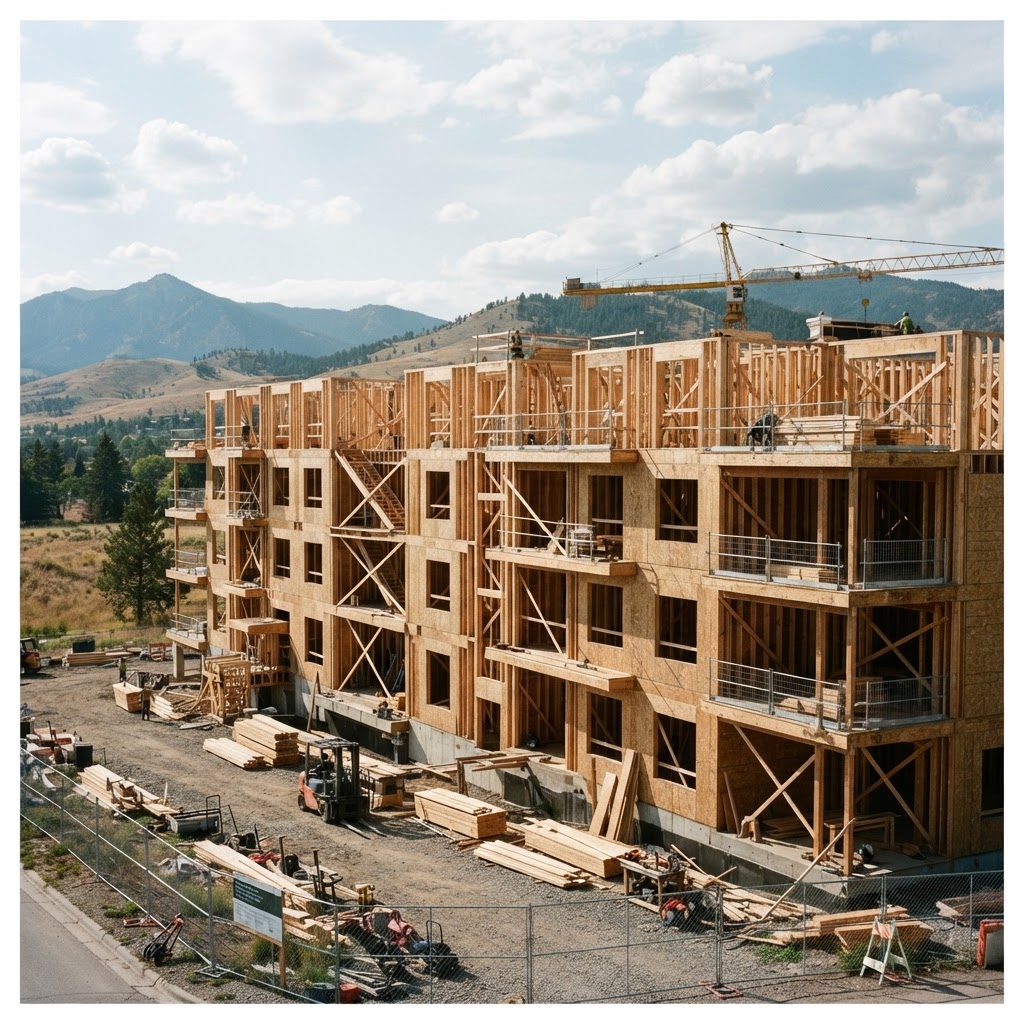
The Missoula City Council has taken a significant step toward addressing the city’s persistent housing shortage by initiating a review of new zoning and regulatory incentives. During a recent session, council members directed city staff to develop a targeted framework that would allow developers to deviate from specific building standards in exchange for including deed-restricted affordable units in their projects. This move signals a shift toward more flexible, project-specific solutions designed to bridge the financial gap that often prevents the construction of low-income housing.
Rather than proposing a broad-based overhaul, city leadership is focusing on surgical adjustments to existing codes. The goal is to support developers—particularly those utilizing low-income housing tax credits—by easing requirements that may otherwise render these projects financially unfeasible. By allowing for flexibility in design or density, the city hopes to incentivize the creation of units that serve the local workforce, seniors, and families who have been increasingly priced out of the market.
Strategic Growth and Infill
This policy discussion follows a series of high-profile developments, such as the Franklin Crossing project, which serves as a blueprint for how public-private partnerships can utilize city-owned land and tax incentives to deliver substantial housing inventory. As Missoula continues to implement the Our Missoula 2045 Land Use Plan, these new incentives are intended to align with broader goals of promoting infill development and ensuring that affordable housing is distributed equitably across the city’s various neighborhoods.
For investors and developers, these upcoming changes represent a potential reduction in the regulatory friction that often complicates multi-family projects. By creating a clearer path for projects that prioritize accessibility and affordability, the city is attempting to stabilize a market that has faced significant pressure from population growth and rising construction costs. While the specifics of the incentive package are still being drafted, the council’s directive underscores a commitment to maintaining a diverse housing stock.
Ultimately, the success of these measures will depend on how effectively they can balance the need for density with the community’s desire for thoughtful, sustainable growth. As the city moves forward, stakeholders should monitor how these regulatory tweaks interact with existing zoning codes and federal funding requirements. For those watching the Missoula real estate landscape, this development is a clear indicator that the city is moving beyond traditional planning to actively curate the type of housing supply that will define the region’s future.