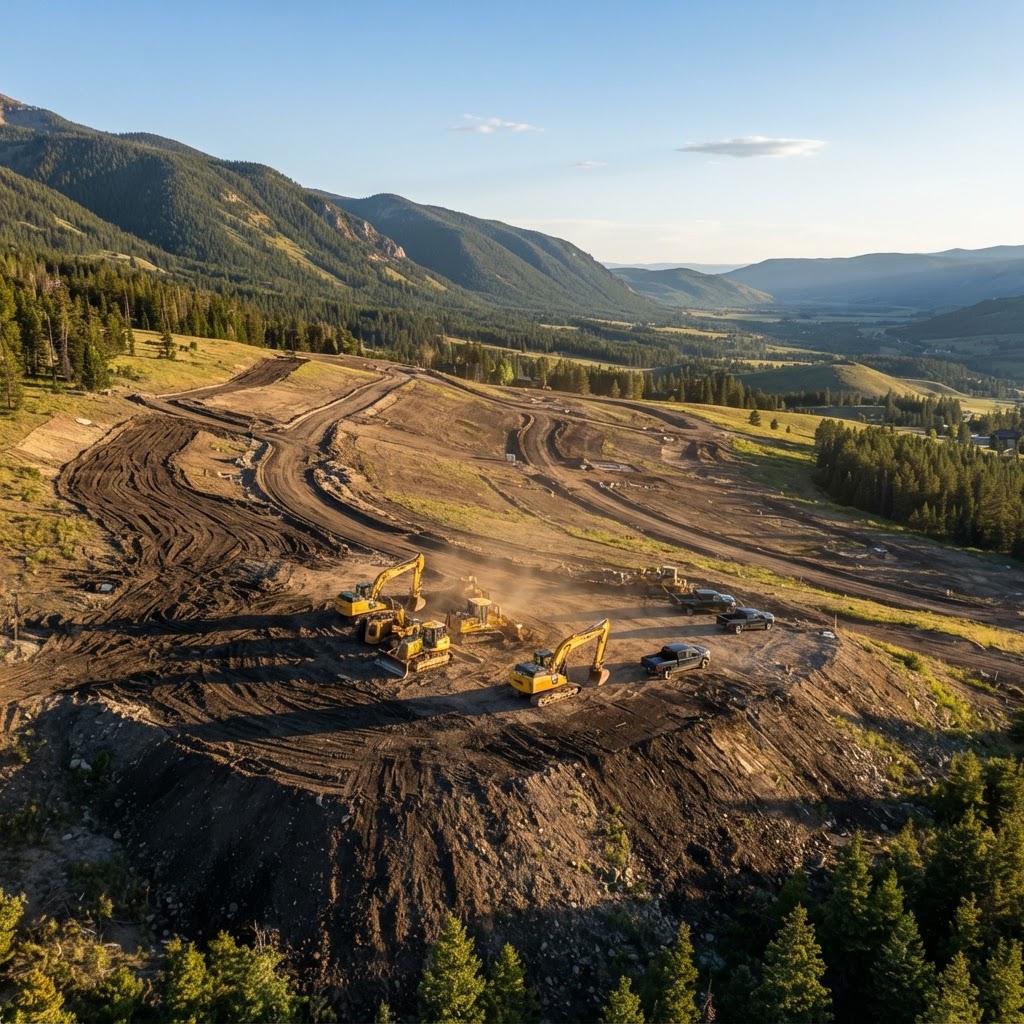
Big Sky has officially reached a major milestone in its ongoing effort to stabilize the local workforce housing market. On October 7, 2026, officials and community members gathered to break ground on the Cold Smoke neighborhood, a sprawling 99-acre development designed to deliver 389 housing units. This project represents the largest workforce housing investment in the area’s history, aiming to provide a permanent solution for residents who have been increasingly priced out of the mountain town they serve.
A Strategic Response to Market Pressures
The development is set to feature a diverse mix of housing options, including 264 rental apartments and 125 single-family homes. By integrating these units within walking distance of the Town Center and connecting them to the local trail network, the project prioritizes both accessibility and quality of life for the local workforce. The construction timeline is staggered to meet urgent demand, with the first phase of multifamily rentals expected to come online in 2028, followed by the completion of single-family homes in 2029.
For the broader Montana real estate market, Cold Smoke serves as a high-profile case study in addressing extreme affordability gaps. With median home prices in the region reaching levels that often exceed the reach of local service workers, the project utilizes permanent deed restrictions to ensure these properties remain attainable for the long term. By decoupling these homes from the speculative market, the initiative aims to preserve housing stock specifically for those who live and work in Big Sky, rather than allowing them to be absorbed by the luxury investment sector.
This development is the result of a significant collaborative effort, including a nearly $40 million land acquisition and strong voter support for local tax initiatives. Industry observers are watching the project closely, as its success could provide a blueprint for other high-cost resort communities across the West. By securing land and implementing strict affordability covenants, the project demonstrates a proactive approach to maintaining a functional, year-round community in an area where the cost of living has historically outpaced wage growth.
For prospective buyers and renters, the project offers a rare opportunity to secure stable housing in a market where inventory has been historically constrained. As the site moves from infrastructure preparation to vertical construction, the focus remains on creating a sustainable neighborhood that can support approximately 1,000 community members. For investors and developers, the project highlights the growing importance of public-private partnerships in solving the housing crisis, proving that even in the most expensive markets, creative land-use strategies can yield tangible results for the local population.