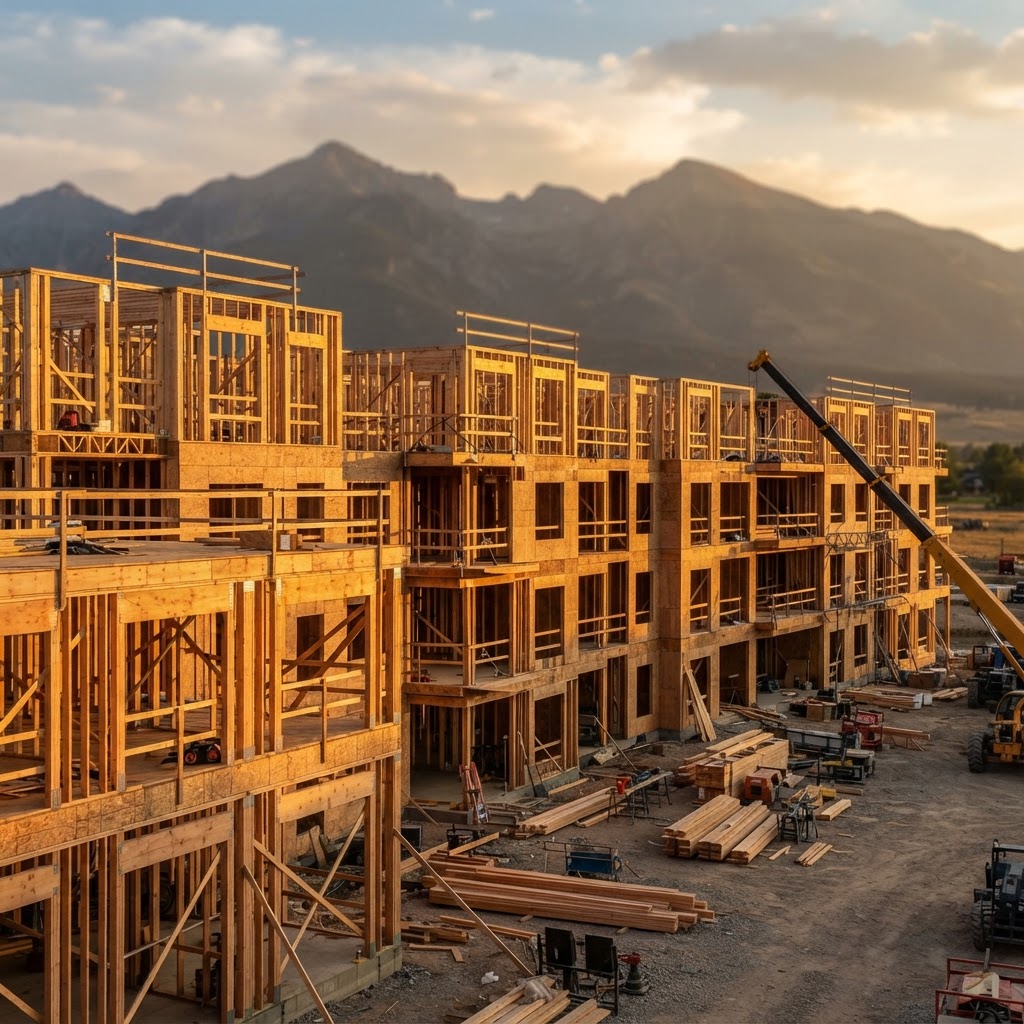
For those tracking Montana’s volatile real estate market, building permits are often cited as the primary barometer for future housing supply. However, a closer look at recent data suggests that these figures offer only a partial glimpse into the state’s development landscape. While permits indicate an intent to build, they do not guarantee that projects will reach completion, nor do they serve as a reliable metric for the affordability of the units eventually brought to market.
Gallatin County serves as a prime example of this disconnect. The region has consistently led the state in per-capita permitting, maintaining a high volume of authorized units even as it grapples with some of the highest median home prices in Montana. While this high level of activity reflects significant developer interest, it has not yet translated into the widespread price relief that many residents and policymakers hope to see. This suggests that the pipeline of new construction is struggling to keep pace with the intense demand that continues to drive up costs across the Treasure State.
Beyond the Paperwork
Industry experts point out that housing development is influenced by a complex web of factors often referred to as the “three Ls”: land, lumber, and lending. Even when a permit is secured, the actual delivery of housing is subject to the availability of labor, the cost of materials, and the feasibility of financing. Furthermore, regulatory environments and local zoning laws play a critical role in determining what can be built and at what price point. While recent legislative efforts have aimed to streamline approval processes and encourage higher-density development, these changes are not immediate panaceas.
For investors and prospective buyers, it is essential to distinguish between a permit and a finished home. A surge in permitting activity in a specific county may signal a growing market, but it does not necessarily indicate an imminent increase in affordable inventory. Market participants should look beyond raw permit counts and consider the broader economic constraints that dictate whether a project moves from a blueprint to a completed residence.
Ultimately, while building permits remain a vital data point for understanding development trends, they are just one piece of a much larger puzzle. As Montana continues to navigate its housing challenges, stakeholders must remain cautious about relying on permitting data as a standalone indicator of market health. True progress in housing affordability will likely require a sustained alignment of policy, construction capacity, and economic conditions that extend far beyond the initial filing of a permit application.