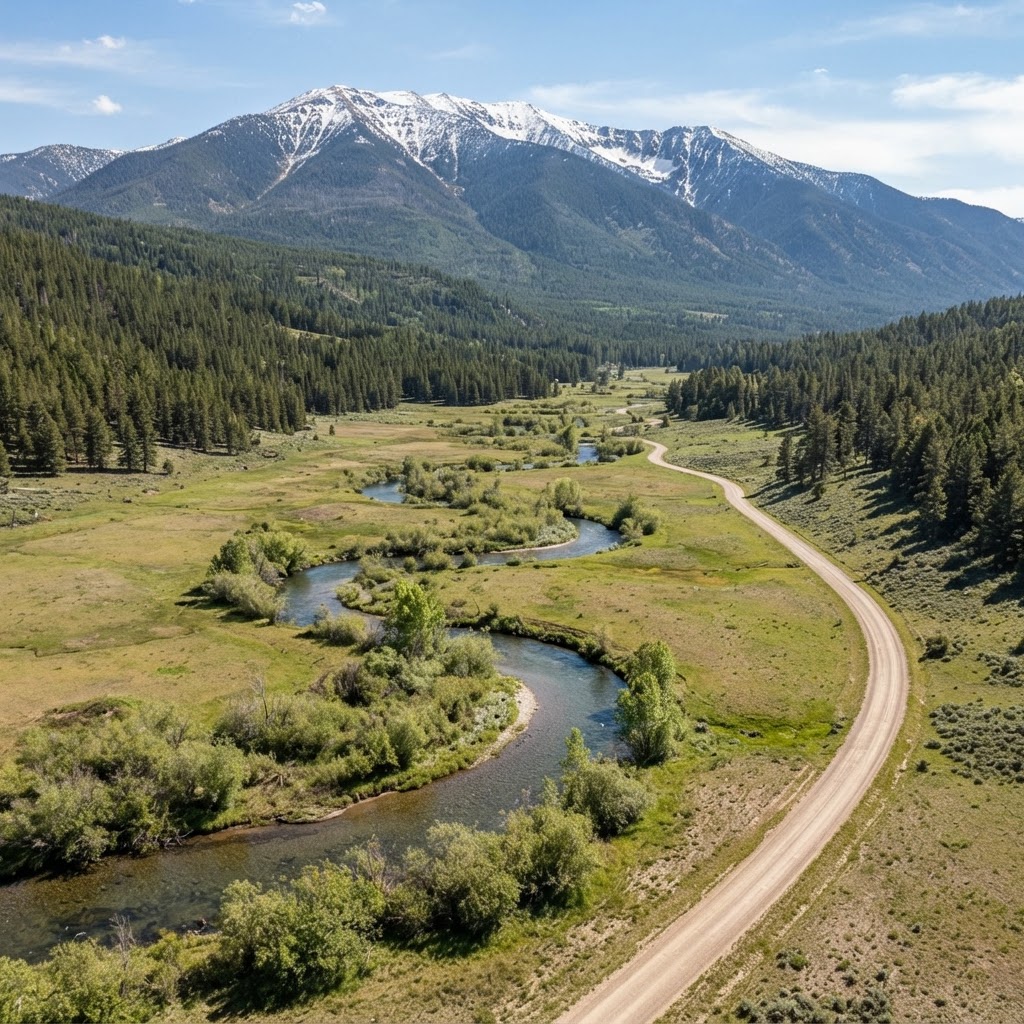
As we move through the second half of 2026, the Montana land market continues to defy simple, statewide categorization. While broad economic indicators and national agricultural reports offer a baseline for understanding real estate, they often fail to capture the nuanced reality of the Treasure State. For investors and prospective buyers, the current market landscape is defined less by state-level averages and more by the hyper-localized factors that dictate a property’s true utility and long-term value.
The Value Multiplier: Beyond the Acreage
In today’s market, the premium placed on specific parcels is driven by tangible assets rather than general trends. Water access remains the single most significant driver of value, acting as a primary catalyst for both agricultural productivity and recreational appeal. Furthermore, legal ingress and egress have become critical components of a property’s appraisal. A parcel that lacks clear, deeded access or faces significant topographical challenges will rarely perform in line with broader market benchmarks, regardless of its scenic beauty or size.
For those navigating the 2026 landscape, it is essential to look past the median price-per-acre figures often cited in general reports. These numbers can be misleading, as they frequently aggregate diverse property types—from high-end recreational ranches in the Gallatin or Flathead corridors to dryland grazing acreage in the eastern plains. The market for a 40-acre residential building site is fundamentally different from the market for a 2,000-acre working ranch, and treating them as a single asset class is a recipe for miscalculation.
Investors should also consider the impact of land use and development potential. As Montana continues to see shifts in land ownership, the intersection of agricultural utility and lifestyle demand remains a powerful force. Properties that offer a dual-purpose value—such as land that supports grazing while providing high-end recreational amenities—tend to show greater resilience against market volatility. This is particularly true in regions where residential expansion is encroaching on traditional working lands.
Ultimately, the 2026 outlook suggests a market that rewards due diligence. Buyers who prioritize legal certainty, water rights, and functional utility are finding that these assets hold their value far better than speculative land holdings. As the market matures, the gap between 'commodity' land and 'premium' land is likely to widen, making it more important than ever for participants to evaluate each parcel on its own merits rather than relying on statewide averages.