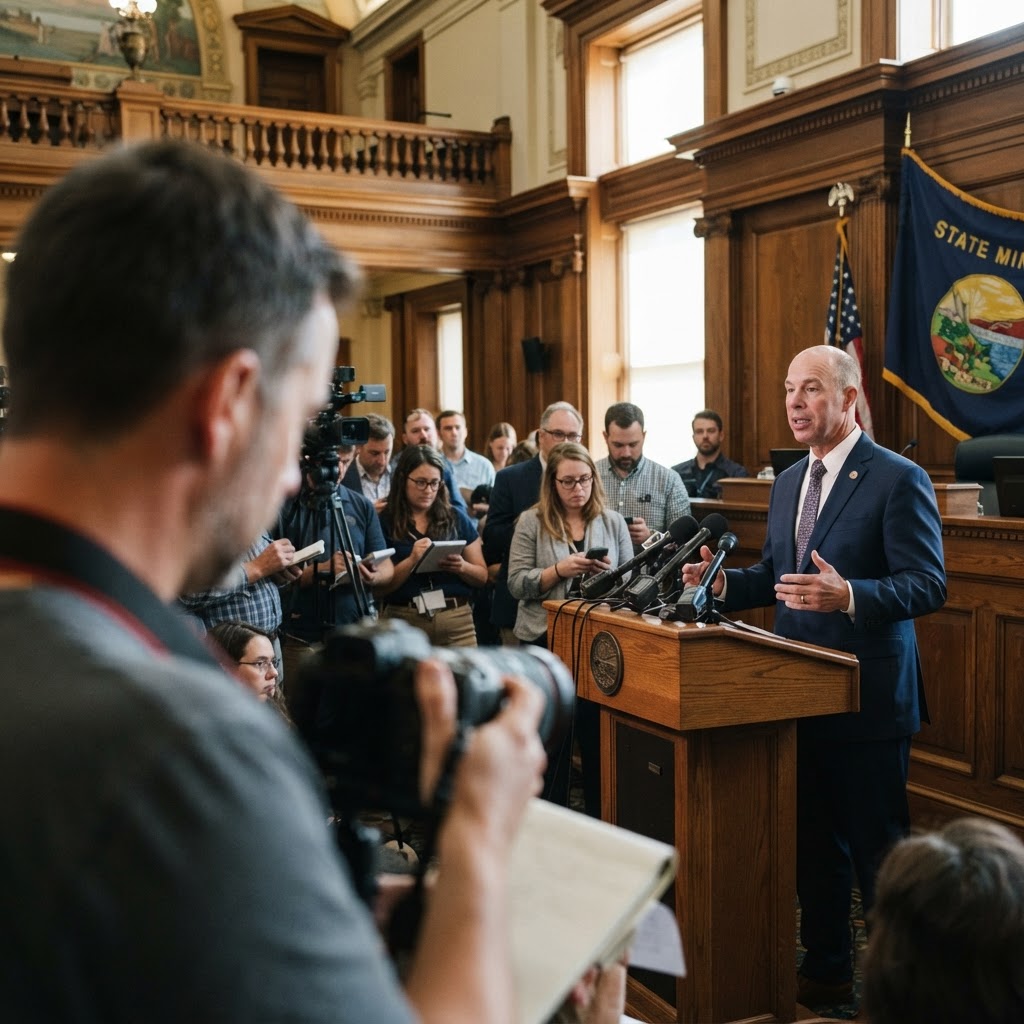
As the 2027 legislative session approaches, Montana’s tax policy landscape is once again taking center stage. Governor Greg Gianforte has officially launched a campaign to transition the state to a 4.7% flat income tax rate, a move he frames as the final step in a multi-year effort to simplify the state’s tax code. This proposal, which has already secured backing from key Republican legislative leaders, aims to replace the current two-bracket system with a single, uniform rate for all taxpayers.
For the Montana real estate market, the implications of this shift are significant. While income tax changes do not directly alter property tax assessments, they influence the broader economic climate that drives housing demand. Proponents argue that a flat tax will stimulate economic growth, potentially increasing wages and attracting new investment to the state. For investors and developers, a more predictable and lower tax environment can be a powerful incentive for long-term capital commitment, which may help stabilize market activity in a state that has seen rapid price appreciation in recent years.
Balancing Growth and Revenue
However, the proposal has sparked intense debate regarding the state’s fiscal health. Because income tax remains the largest source of general fund revenue for Montana, critics warn that a flat tax could constrain the state’s ability to fund essential public services. For homeowners and prospective buyers, this creates a complex dynamic. If the state faces revenue shortfalls, there is often lingering concern among taxpayers that local jurisdictions might look toward property tax adjustments to bridge funding gaps, a point of contention that has dominated recent legislative discussions.
Market participants should watch how this proposal interacts with ongoing property tax reform efforts. While the governor has emphasized his commitment to reducing the overall tax burden, the tension between income tax cuts and the reliance on property taxes remains a critical issue for the real estate sector. Buyers and sellers alike are navigating a market where the cost of living is heavily influenced by these shifting fiscal policies.
As the "Flat. Fair. Montana." initiative begins its statewide tour, the legislative debate will likely intensify. For those involved in real estate, the outcome of the 2027 session will be a key indicator of Montana’s future economic trajectory. Whether this policy leads to the promised economic expansion or creates new budgetary pressures, it will undoubtedly remain a primary factor in how Montanans evaluate their financial future and property investments in the coming years.