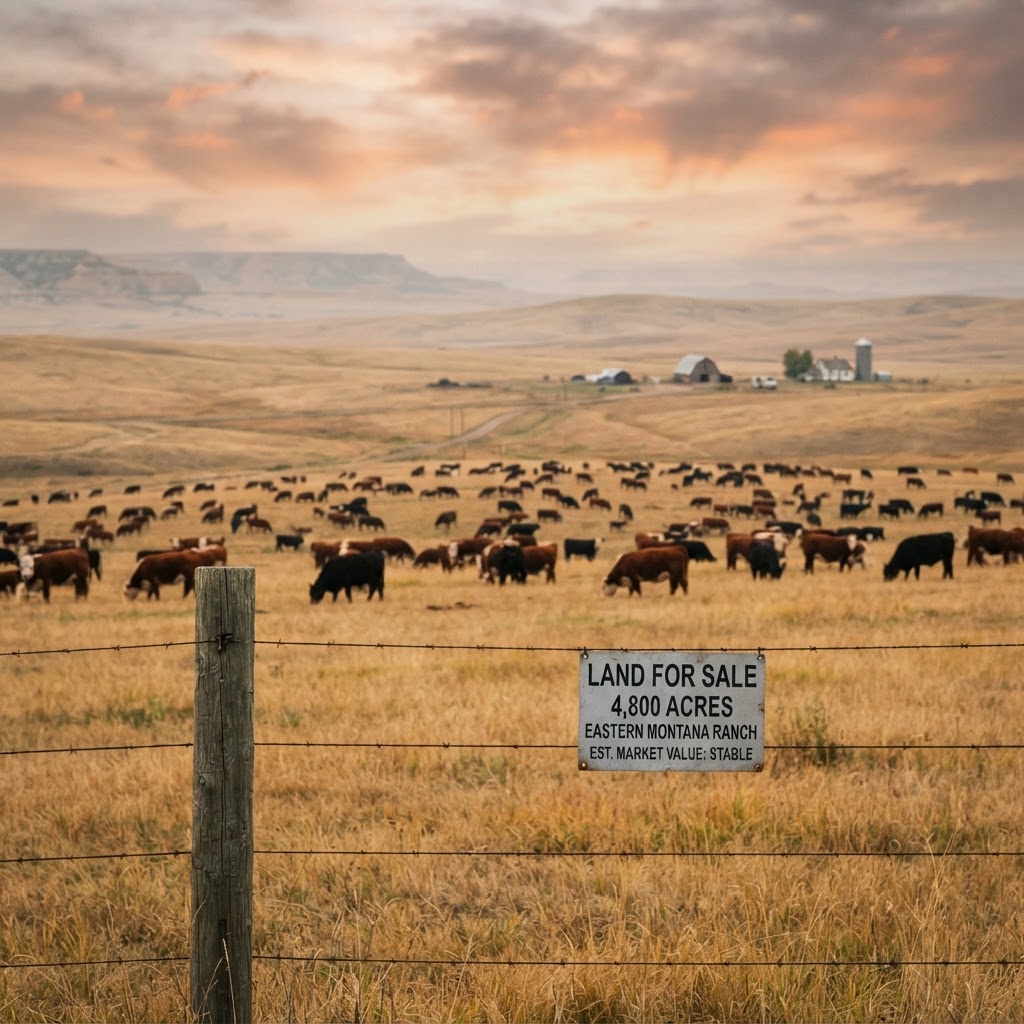
As we move into the final quarter of 2026, the Montana land market continues to demonstrate a resilient, albeit bifurcated, landscape. While seasonal shifts often bring a cooling effect to real estate activity, the broader land sector remains remarkably stable. This consistency is largely defined by a clear divide between the high-demand recreational corridors of the west and the more traditional agricultural expanses of the east, where price points remain grounded in production value rather than speculative interest.
The Drivers of Value
For investors and prospective buyers, the current market underscores a fundamental truth about Montana real estate: not all acreage is created equal. In the eastern regions, land valuation is tethered closely to agricultural utility. Experts emphasize that the primary drivers for these large-scale parcels are water rights and physical accessibility. Properties that possess secure, senior water rights and reliable infrastructure continue to command premium interest, as these features are essential for long-term agricultural viability and commodity production.
Conversely, the western portion of the state remains heavily influenced by lifestyle and recreational demand. Here, the market is less about crop yields and more about the intrinsic value of the landscape—mountain backdrops, proximity to public lands, and access to blue-ribbon waterways. This divergence creates a unique environment where buyers must carefully weigh their objectives. Those seeking income-generating ranch land will find a different set of metrics and price expectations compared to those looking for a recreational retreat or a long-term land bank investment.
Market participants should also be mindful of the broader economic context. While interest rates and rising development costs have tempered some segments of the residential market, the land sector has maintained its footing through steady demand from both local producers and out-of-state buyers. The influx of interest from non-resident owners continues to be a significant factor, often keeping inventory tight in highly desirable areas.
Ultimately, the Montana land market in late 2026 is characterized by a return to fundamentals. Buyers who prioritize due diligence—specifically regarding water rights, easements, and tax implications—are finding that the market offers sustainable opportunities. Whether you are looking to expand an existing operation or secure a piece of Big Sky Country for the future, the current stability provides a reliable window for informed decision-making.