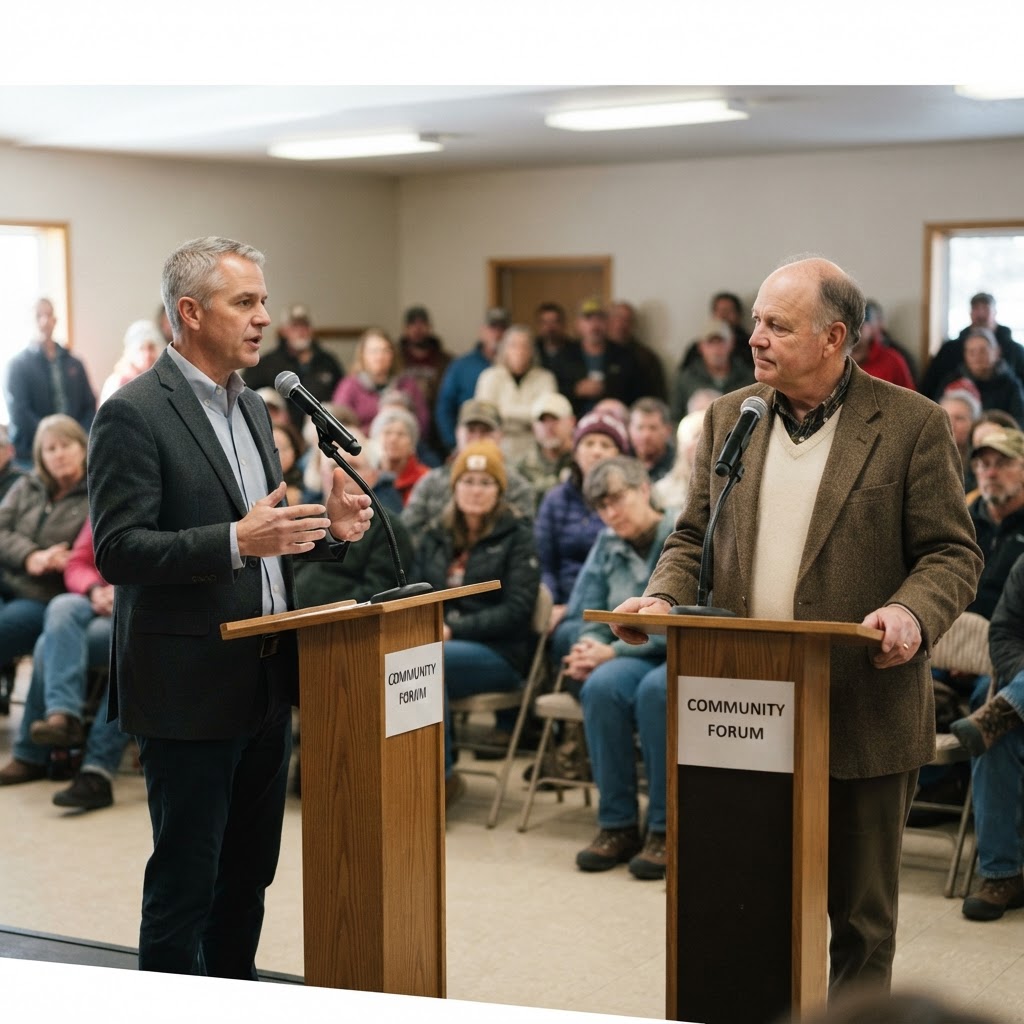
As the 2026 election cycle intensifies, housing affordability has emerged as the defining issue for voters across Montana’s western district. Candidates vying for the U.S. House seat are increasingly centering their platforms on the economic strain facing residents, from university students struggling to balance coursework with the high cost of living to working-class families priced out of their own communities. This focus reflects a broader reality in the state, where the rapid appreciation of property values over the last five years has fundamentally altered the landscape for both buyers and renters.
The Economic Pressure Cooker
For many candidates, the conversation is shifting from general economic policy to the specific mechanics of the housing market. Discussions are highlighting a persistent mismatch between local wage growth and the rising cost of entry-level housing. While some advocates argue that the solution lies in aggressive federal intervention to boost supply and expand tax credits for development, others emphasize the need for regulatory reform to streamline construction timelines and reduce the overhead costs that currently stifle new projects.
This political focus arrives at a pivotal moment for the Montana real estate market. Recent data from August 2026 suggests a transition toward a buyer’s market, characterized by a modest improvement in inventory and a cooling of the rapid price growth seen in previous years. However, even with stabilizing trends and easing mortgage rates, the barrier to entry remains significant for first-time buyers. Investors and developers are watching these policy debates closely, as any potential federal shifts in permitting or housing subsidies could directly impact the feasibility of future residential projects.
Ultimately, the candidates' emphasis on affordability underscores a growing consensus that housing is no longer just a private market concern but a critical piece of state infrastructure. Whether through incentivizing multi-family developments or addressing the wage disparity that limits purchasing power, the proposed solutions will have long-term implications for Montana’s growth. For those currently navigating the market, the election results may signal a shift in how the federal government approaches the balance between protecting local communities and fostering necessary housing development.