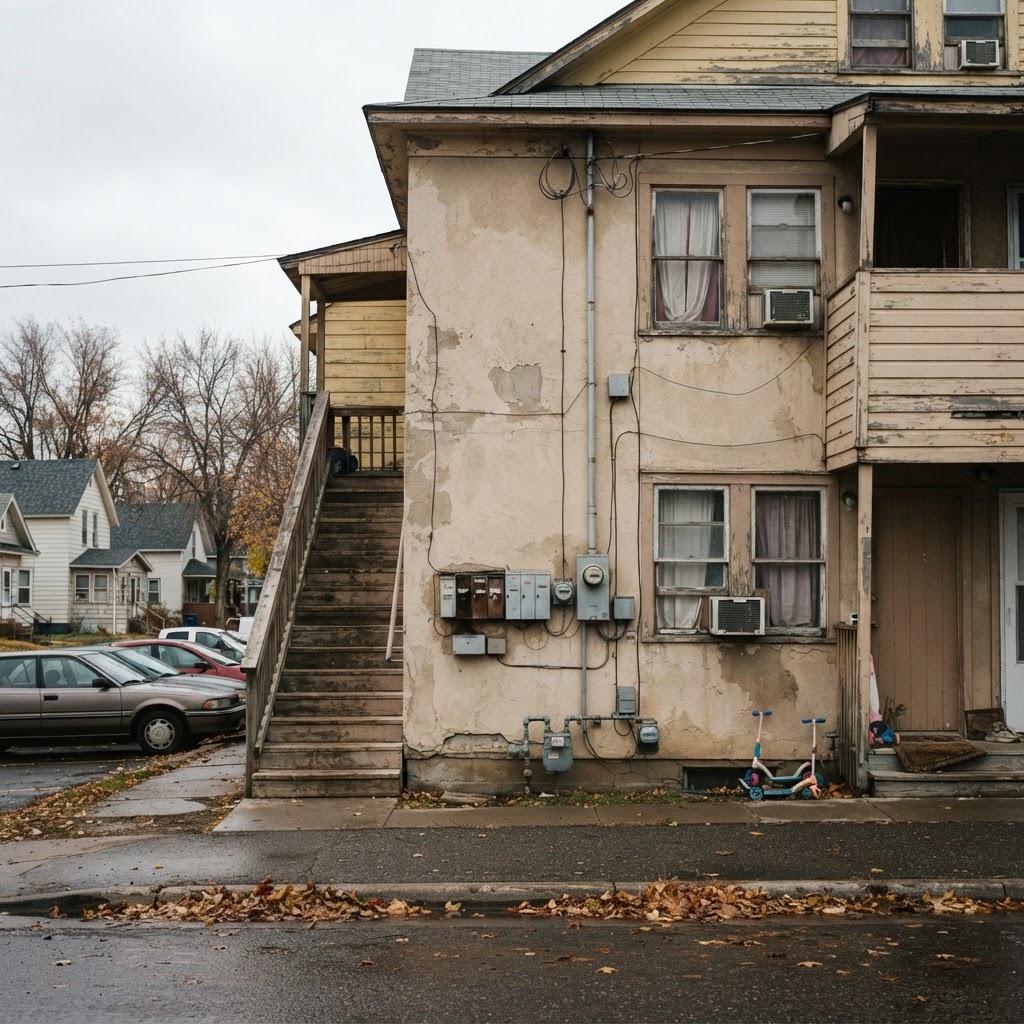
The 2026 State Housing Profile for Montana paints a sobering picture of the state’s rental market, revealing a deep-seated imbalance between supply and demand. For the state’s most vulnerable residents, the situation is particularly acute: there are currently only 46 affordable and available rental units for every 100 extremely low-income households. This scarcity forces many families into precarious living situations, highlighting a critical gap in the state’s housing infrastructure that continues to widen as population growth outpaces new construction.
Economic data underscores the severity of this trend. To secure a standard two-bedroom rental without exceeding the recommended threshold of spending 30% of one’s income on housing, a full-time worker in Montana must earn an hourly wage of nearly $30. This translates to an annual household income requirement of over $62,000. With many essential workers—including those in healthcare, public safety, and local government—earning wages that fail to keep pace with these rising costs, the state is facing a workforce housing crisis that threatens the stability of our local economies.
Market Implications and the Ownership Gap
The ripple effects of this rental shortage are felt across the entire real estate spectrum. As rental inventory remains tight and costs climb, the path to homeownership becomes increasingly obstructed for first-time buyers. High interest rates, combined with elevated home prices, have effectively sidelined many prospective buyers, forcing them to remain in the rental market longer than they might otherwise choose. This sustained demand in the rental sector further exacerbates the competition for limited units, keeping upward pressure on monthly lease rates.
For investors and developers, these figures highlight a significant opportunity to address the "missing middle" of housing. While luxury developments often dominate the headlines, the data suggests a desperate need for more deeply affordable rental options. Addressing this will likely require a combination of policy reform, such as streamlining permitting processes and incentivizing the construction of workforce-attainable units, alongside creative financial tools like expanded rental assistance programs.
Ultimately, the 2026 profile serves as a call to action for stakeholders across the state. Whether it is through public-private partnerships or legislative efforts to reduce regulatory barriers, the goal remains the same: to ensure that Montana’s growth does not come at the expense of its residents' ability to find stable, affordable housing. As we look toward the remainder of the year, the focus must shift from merely tracking these trends to implementing sustainable solutions that allow our communities to remain accessible to the people who live and work here.