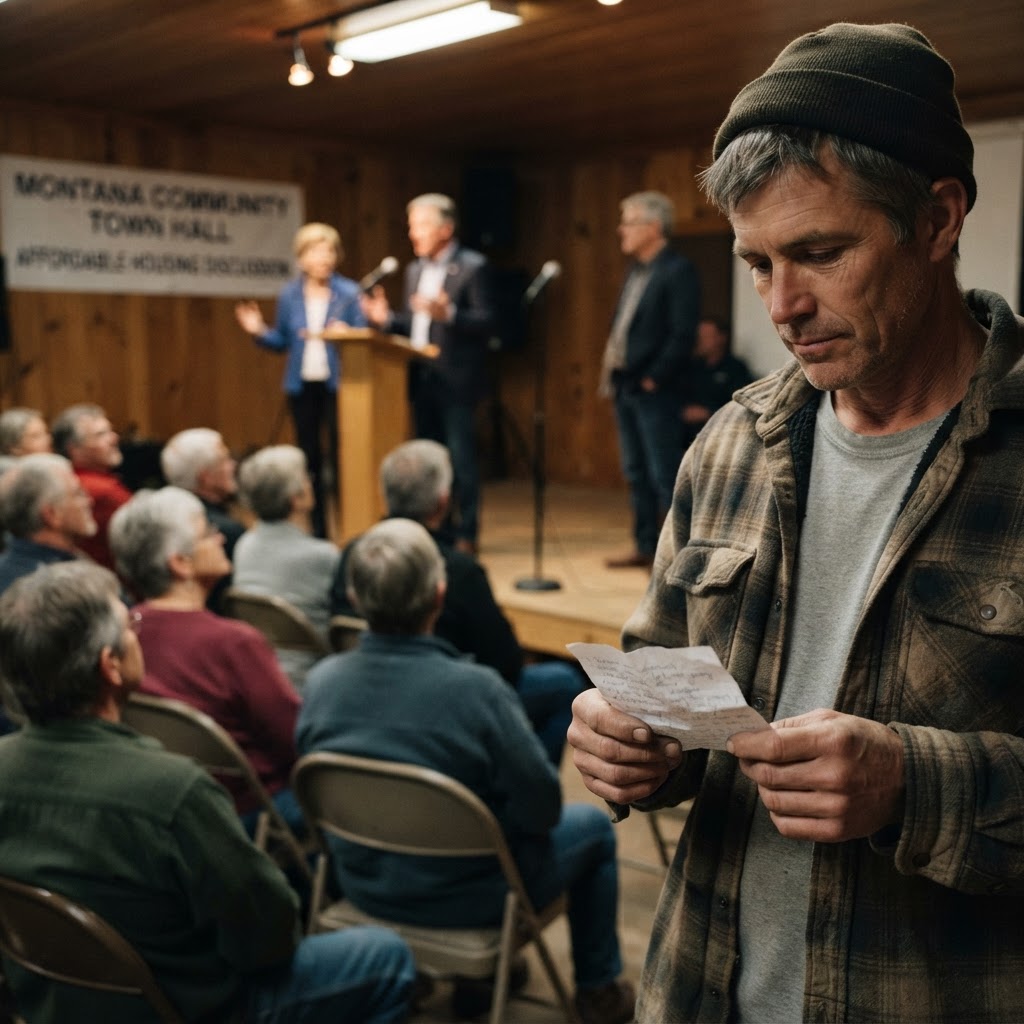
For Montana’s real estate market, the current political climate is defined by a single, overwhelming reality: the cost of living. Recent polling data reveals that a staggering 80% of voters now view housing affordability and general living expenses as the primary factors influencing their decisions at the ballot box. As candidates for federal office vie for support across the state, the conversation has shifted away from abstract policy toward the tangible, daily struggle of Montanans trying to secure a roof over their heads.
This focus on affordability is not merely political rhetoric; it reflects a market under immense pressure. With many residents spending more than 30% of their monthly income on housing, the dream of homeownership is increasingly slipping out of reach for the average worker. The current landscape is characterized by a severe supply-demand imbalance, where local families are frequently outbid by out-of-state buyers, further driving up prices and straining the inventory available for long-term residents.
Bridging the Gap in Housing Policy
Candidates are responding to this crisis with a variety of proposals, ranging from federal grant programs aimed at revitalizing manufactured housing communities to legislative efforts focused on rural housing reform. Some platforms emphasize the need to leverage federal land for long-term housing cooperatives, while others focus on broader fiscal policies, such as tax reduction and debt management, to ease the overall financial burden on households. For investors and developers, these proposals signal a potential shift in how federal resources may be directed toward infrastructure and housing development in the coming years.
For those currently navigating the Montana market, the implications are significant. Sellers are seeing high valuations, but buyers—particularly first-time homeowners—are facing a market that requires creative financing and, in many cases, a departure from traditional expectations. The persistent difficulty in affording not just housing, but also fuel and groceries, has created a ripple effect that impacts everything from rental demand to commercial real estate viability.
As the election approaches, the divide between political promises and market reality remains a critical point of interest for the real estate community. Whether through direct subsidies, land-use reform, or broader economic stabilization, the path forward will likely require a multi-faceted approach to ensure that Montana’s housing market remains sustainable for the workforce that powers the state’s economy. For now, the message from the electorate is clear: affordability is no longer a secondary concern, but the central pillar of Montana’s future.