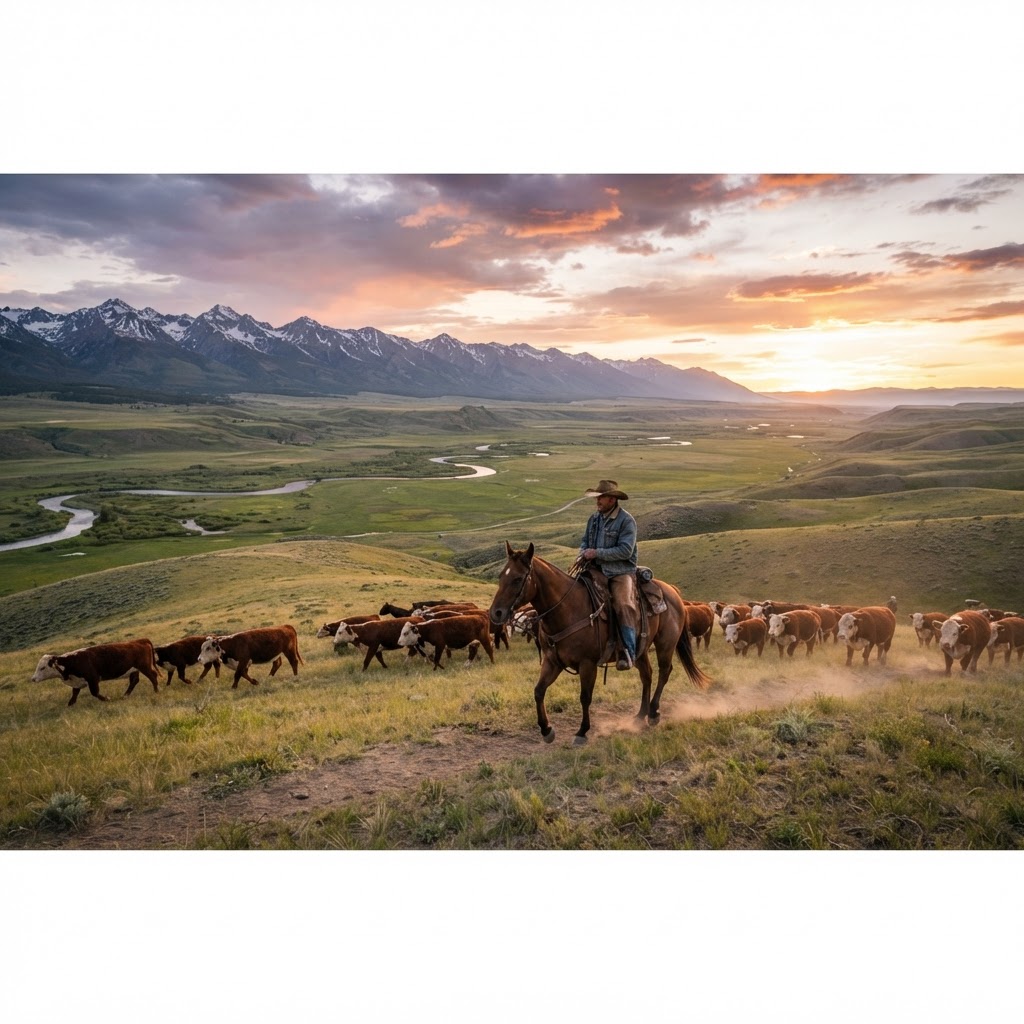
For Montana’s agricultural sector, the latest data confirms that conservation easements are far more than just a tool for land preservation—they are a powerful engine for economic stability. A recent report highlights that between 2022 and 2026, these voluntary agreements generated an economic impact exceeding $284 million across the state. By allowing landowners to monetize the development rights of their property while keeping the land in active production, these easements provide a vital infusion of capital that helps keep Montana’s working landscapes intact.
Perhaps the most significant takeaway for investors and landowners is the high rate of reinvestment. The data shows that 96% of the funds generated through these easements are poured directly back into agricultural businesses. Rather than exiting the industry, ranchers and farmers are utilizing these payments to modernize their operations, increase their acreage, and manage debt. This cycle of reinvestment not only secures the future of individual family operations but also strengthens the broader rural economy by ensuring that land remains productive rather than being subdivided for large-lot residential development.
Strategic Capital for Modern Ranching
For those looking at Montana real estate, understanding the role of conservation easements is essential. Every federal dollar invested through these programs has been shown to leverage nearly two dollars in local economic activity. This multiplier effect is a critical consideration for anyone evaluating the long-term viability of a ranch or farm investment. By stabilizing the financial foundation of a property, an easement can often make a ranch more resilient to market fluctuations and succession challenges, effectively protecting the asset’s value for future generations.
Beyond the immediate financial benefits, these agreements offer a way to navigate the complexities of land ownership in a rapidly changing state. With over a million acres of undeveloped land converted to residential use since the turn of the century, the pressure on Montana’s open spaces is immense. Conservation easements provide a voluntary, market-based solution that allows owners to maintain their traditional way of life while securing the capital necessary to compete in a modern agricultural market.
Ultimately, the success of these programs underscores a shift in how we view land value in the Treasure State. For buyers and sellers alike, a property with a conservation easement is increasingly viewed as a stable, well-capitalized asset that supports both the local community and the state’s diverse economy. As Montana continues to grow, these tools will likely remain a cornerstone for those committed to keeping working lands in working hands.