The national housing landscape is undergoing a significant shift as we close out 2026, defined by a cooling market and evolving economic pressures. Recent data indicates that inflation has ticked upward to 0.4%, while the national unemployment rate has tightened to 4.1%. These macroeconomic indicators are creating a complex environment for real estate, as elevated mortgage rates continue to act as a primary headwind for prospective buyers across the country. As borrowing costs remain high, the market is seeing a notable decline in transaction volume, with existing-home sales reaching their lowest levels in over a decade.
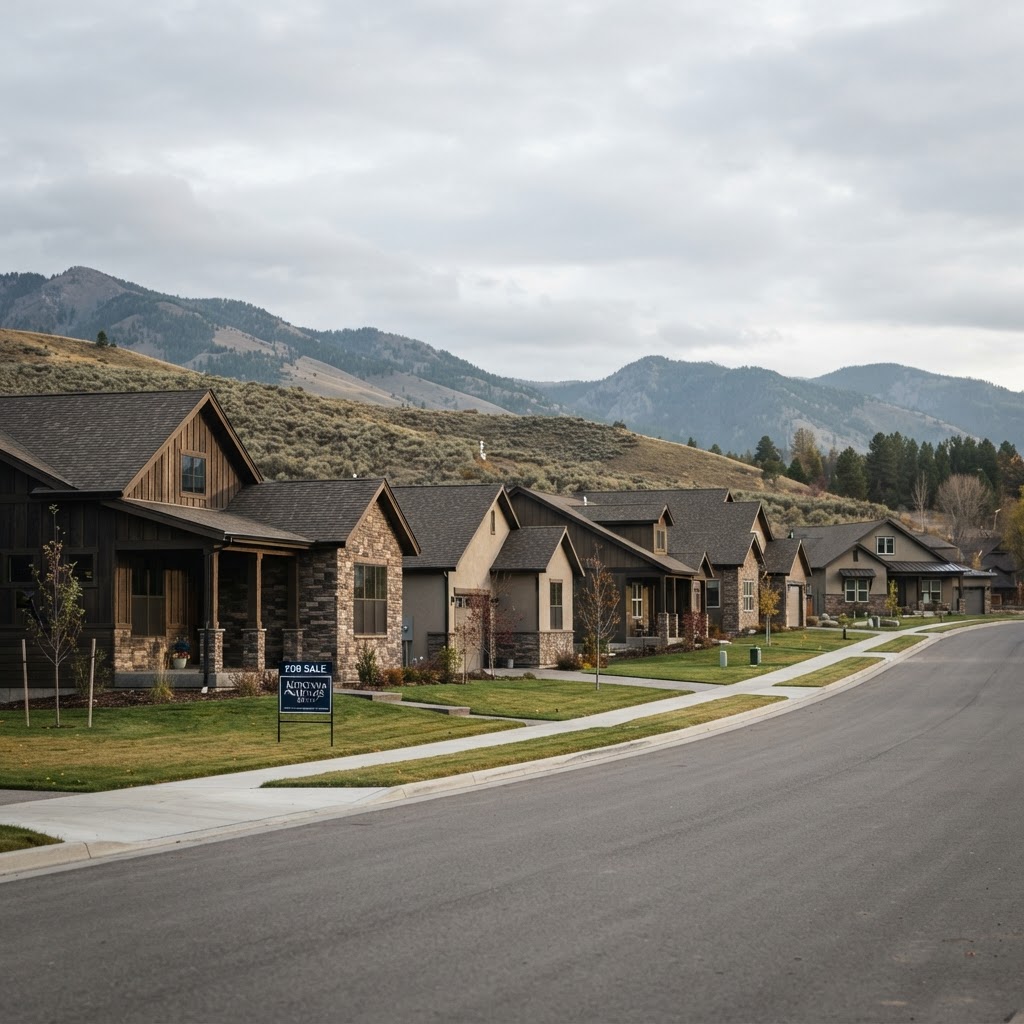
In Montana, these national trends are manifesting in a localized way. While the broader U.S. market faces a cooling period, our state continues to navigate its own unique supply-and-demand dynamics. In regions like Northwest Montana, for instance, we have observed a seasonal slowdown typical of late autumn, characterized by a rise in inventory and a decrease in pending sales. Despite this cooling, home prices in many of our local markets have shown resilience, with median sales prices in some areas still posting year-over-year gains, reflecting the persistent desire for property in the Treasure State.
Navigating the Shifting Market
For Montana buyers, the current environment offers a rare opportunity to step back from the frantic bidding wars that defined the previous few years. With inventory levels slowly climbing, buyers are finding more room to negotiate on price and terms. However, the challenge of affordability remains front and center. With mortgage rates hovering above 7%, the monthly cost of homeownership has risen significantly, forcing many families to reevaluate their budgets or consider alternative financing strategies to secure a foothold in the market.
Sellers, meanwhile, are adjusting to a new reality where the days of rapid, over-asking-price sales are becoming less common. Success in today’s market requires a more strategic approach to pricing and property presentation. As the market moves toward a more balanced state, properties that are priced competitively and marketed effectively are still moving, but the window for closing a deal has widened. For those looking to sell, patience and a realistic understanding of current local comps are essential.
Looking ahead, the Montana real estate sector remains fundamentally strong, even as it reacts to national economic headwinds. While the combination of higher interest rates and inflationary pressure on household budgets may keep some participants on the sidelines through the winter, the long-term outlook for our state’s housing market remains stable. Investors and homeowners alike should keep a close eye on how these national economic shifts continue to influence local inventory and pricing as we head into the new year.