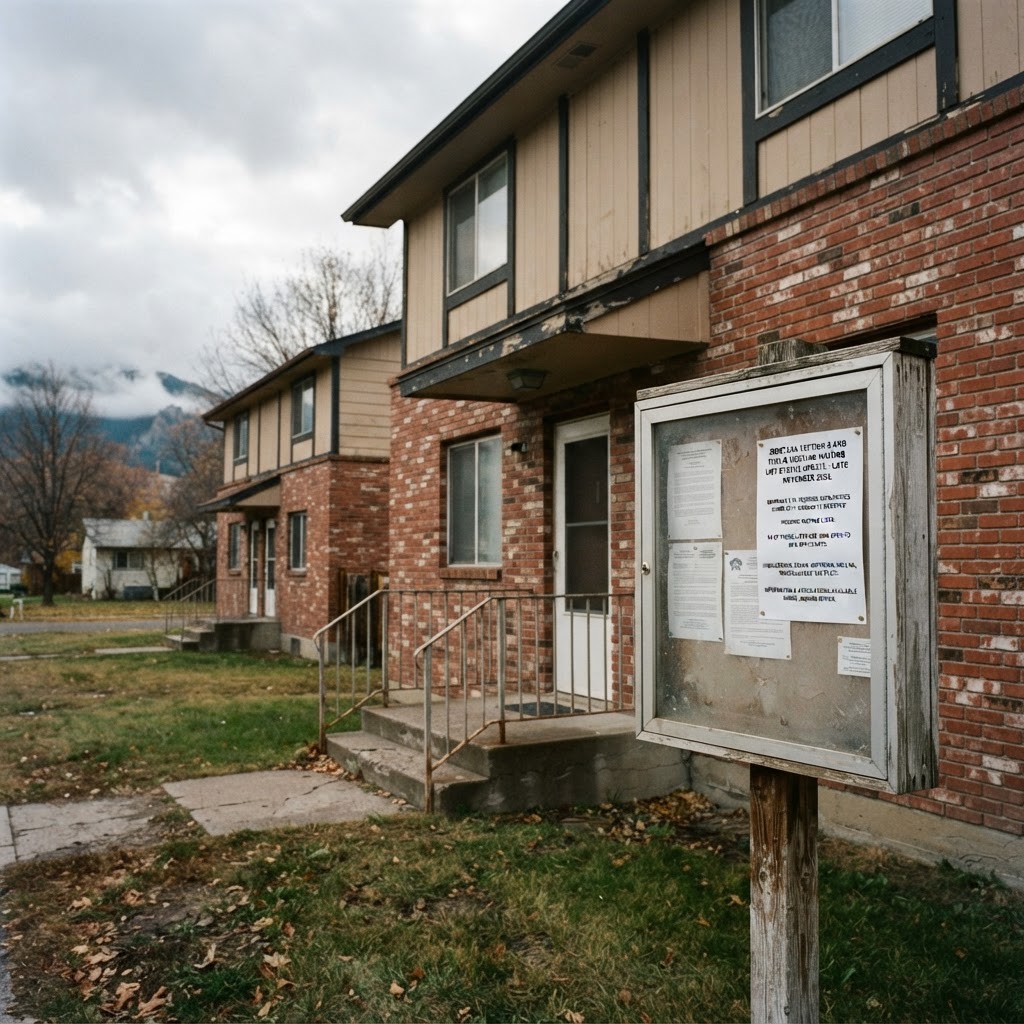
Montana’s housing landscape remains a complex puzzle for residents and investors alike, with recent data highlighting a significant volume of activity within the state’s assisted housing sector. According to a comprehensive update from Section 8 Waitlist ([https://section8waitlist.org/states/montana]), Montana’s 12 housing authorities currently manage 71 distinct waiting lists for programs including Section 8 Housing Choice Vouchers (HCV), Public Housing, and Project-Based Vouchers. As of November 23, 2026, 54 of these lists are open to new applicants, representing an open rate of approximately 76%.
For those navigating the market, the geographic distribution of these opportunities is notable. The cities of Whitefish, Helena, and Missoula currently lead the state in the number of open waitlists, with Whitefish reporting 13, Helena 11, and Missoula 8. These figures are particularly relevant for property investors and developers, as they underscore the persistent demand for affordable rental inventory in Montana’s high-growth urban centers. While the Montana Department of Commerce ([https://commerce.mt.gov/Housing/Rental-Assistance/Housing-Choice-Voucher-Program]) continues to facilitate statewide assistance, eligibility remains strictly tied to HUD-defined income limits, which vary by county and metropolitan area.
Understanding the Waitlist Environment
The administrative reality of these programs is that they are highly localized. As noted by the U.S. government’s official housing resource, USA.gov ([https://www.usa.gov/housing-voucher-section-8]), waiting lists are frequently adjusted based on the capacity of local Public Housing Authorities (PHAs) to serve families. Because these agencies operate independently, applicants are encouraged to apply to multiple jurisdictions to maximize their chances of securing housing. Data from the Montana Board of Housing ([https://commerce.mt.gov/Files/Meetings-Events/Meetings/Boards/MBOH/Binder-Packets/20261020-MBOH-Board-Packet.pdf]) indicates that as of October 2026, there were over 7,300 individuals on various waitlists, highlighting the competitive nature of the current rental environment.
For real estate professionals, these statistics serve as a barometer for local housing pressure. In markets like Missoula and Helena, where waitlists remain open but demand is high, the reliance on voucher programs suggests that a significant portion of the workforce is sensitive to rental price fluctuations. Investors should note that while the state manages roughly 9,176 assisted housing units—comprised of 1,421 public housing units and 7,755 vouchers—the gap between supply and demand remains a defining feature of the Montana rental market. As wait times can stretch between one and five years, the stability provided by these programs remains a critical, albeit limited, component of the state’s broader housing strategy.