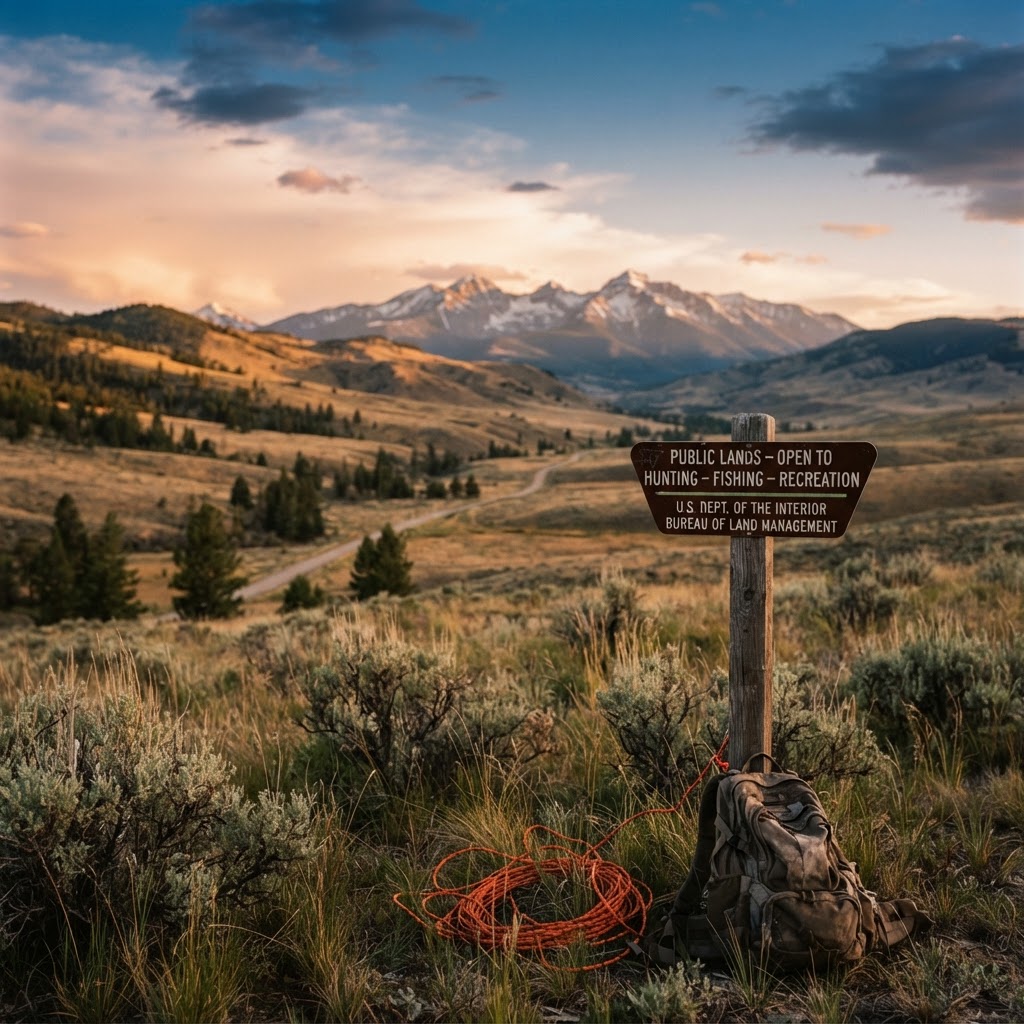
A new five-year strategic plan released by the U.S. Department of the Interior has ignited a firestorm of bipartisan opposition across Montana, as federal officials signal an intent to reduce the size of the federal estate. The proposal, which outlines a framework for selling public lands to states, local governments, and tribes, could potentially impact as much as 27,000 acres within the state, according to reporting by The River 97.9 ([https://theriver979.com/ixp/1104/p/montana-public-lands-sale-plan]). While the Interior Department claims the initiative will allow the agency to focus resources on "nationally significant" lands, the lack of specific details regarding which parcels might be sold has left stakeholders and elected officials wary of the long-term consequences for public access.
A Unified Front Against Land Sales
Montana’s congressional delegation has responded with swift and vocal resistance. U.S. Senator Tim Sheehy, who previously worked to remove land sale provisions from the 2025 One Big Beautiful Bill Act, stated on social media that he would not allow "ONE ACRE" of Montana land to be sold, as reported by NBC Montana ([https://nbcmontana.com/news/local/sheehy-daines-oppose-federal-land-sales-as-interior-weighs-offers-to-states]). Senator Steve Daines echoed this sentiment, asserting that public lands must remain in public hands. Outgoing Representative Ryan Zinke, a former Interior secretary, also confirmed his opposition, vowing to vote against any legislative efforts to facilitate such transfers, according to the Flathead Beacon ([https://flatheadbeacon.com/2026/11/16/montana-delegation-pushes-back-on-interior-plan-to-sell-public-lands]).
This opposition extends to incoming leadership as well. Congressman-elect Sam Forstag, the first Democrat elected to the U.S. House from Montana in three decades, characterized the plan as a "private equity approach to governance" and emphasized the need for bipartisan collaboration to protect public access, the Daily Inter Lake reported ([https://dailyinterlake.com/news/2026/nov/15/editorial-delegation-must-hold-the-line-on-public-lands/]). Senator-elect Kurt Alme also affirmed his commitment to preserving the ability of future generations to hunt and fish on these lands.
Economic and Practical Implications
For Montana’s outdoor economy, which supports over 32,000 jobs and generates $1.87 billion in annual wages, the stakes are significant, the Daily Inter Lake noted ([https://dailyinterlake.com/news/2026/nov/15/editorial-delegation-must-hold-the-line-on-public-lands/]). Frank Szollosi, executive director of the Montana Wildlife Federation, warned that shifting land management to the state could impose heavy financial burdens on taxpayers, particularly regarding wildfire response and abandoned mine cleanup, as cited by the Flathead Beacon ([https://flatheadbeacon.com/2026/11/16/montana-delegation-pushes-back-on-interior-plan-to-sell-public-lands]).
Agricultural interests are also monitoring the situation closely. At the Montana Farm Bureau Federation’s 107th annual convention, ranchers expressed concern over the potential loss of grazing allotments. As noted by KRTV ([https://www.krtv.com/news/local-news/montana-ranchers-weigh-what-selling-off-public-lands-could-mean-for-grazing-and-their-way-of-life]), public lands account for nearly 50% of grazing time for some operations, making access a fundamental component of their business viability. While the Interior Department suggests that state and tribal management could be more efficient, a University of Montana survey conducted earlier this year found that nearly 90% of Montanans oppose the sale of public lands, regardless of political affiliation, according to The River 97.9 ([https://theriver979.com/ixp/1104/p/montana-public-lands-sale-plan]).
For real estate investors and property owners, this federal pivot creates a climate of uncertainty. While the current plan lacks specific timelines or identified tracts, the potential for land to move from federal to private ownership could alter local market dynamics, particularly in rural areas where property values are often tied to proximity to public recreation. Buyers and sellers should remain cautious, as any future legislative movement on these transfers could significantly impact land-use rights and the availability of public access points that currently define the value of surrounding private holdings.
Sources
https://theriver979.com/ixp/1104/p/montana-public-lands-sale-plan https://flatheadbeacon.com/2026/11/16/montana-delegation-pushes-back-on-interior-plan-to-sell-public-lands https://wildmontana.org/2026/11/19/insights/tell-blm-keep-public-in-public-lands/ https://environmentamerica.org/montana/media-center/statement-interior-department-plans-to-sell-off-public-lands https://www.krtv.com/news/local-news/montana-ranchers-weigh-what-selling-off-public-lands-could-mean-for-grazing-and-their-way-of-life https://nbcmontana.com/news/local/sheehy-daines-oppose-federal-land-sales-as-interior-weighs-offers-to-states https://dailyinterlake.com/news/2026/nov/15/editorial-delegation-must-hold-the-line-on-public-lands/ https://whatdidtheysayaboutit.com/stories/interior-public-lands-sale-plan-sheehy-november-2026 https://nbcmontana.com/news/local/trump-administration-to-pursue-public-land-sales-and-a-decrease-in-federal-ownership