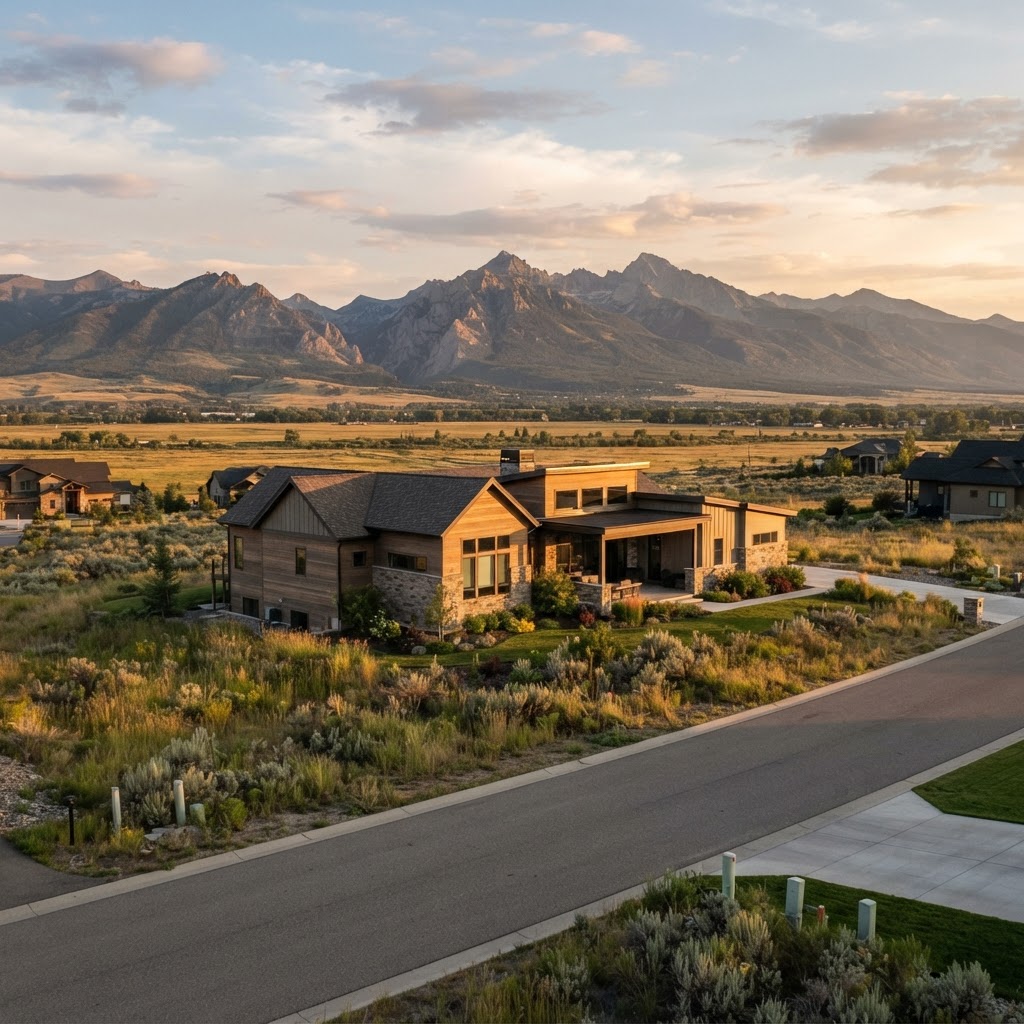
The latest market data for Bozeman reveals a landscape defined by a significant price divide between properties located within city limits and those in the surrounding areas. According to a report from Taunya Fagan Real Estate ([1]), the median home price in Bozeman currently sits at $950,000. This figure masks a notable disparity: homes located inside city limits command a median price of $805,000, while properties situated outside those boundaries reach a median of $1,232,500.
Market activity remains steady, with 223 closed sales recorded in the most recent quarter. Of these transactions, 109 occurred within the city, while 114 took place in the outlying areas. The data also highlights differences in property size and velocity; the median home size in Bozeman is 2,728 square feet, though city properties average 2,265 square feet compared to 3,181 square feet for those outside the city. Homes within the city limits are moving faster, with a median of 11 days on the market, whereas properties outside the city linger for a median of 22 days ([1]).
Market Context and Implications
For prospective buyers, the current data suggests that location remains the primary driver of cost. The premium associated with properties outside city limits likely reflects larger lot sizes and the appeal of rural or semi-rural living, which often commands a higher price per square foot—$419 outside the city compared to $399 within it ([1]). While the overall median price is high, buyers should note that the market is showing signs of cooling compared to the historic highs of 2025, when the median price reached $1,250,000 ([7]).
Sellers should be aware that while demand persists, the urgency that characterized the market in previous years has moderated. With 286 homes currently for sale in the area, inventory levels are a critical factor for those looking to list their property ([1]). Furthermore, while some homes are still selling above their original list price—averaging 14.3% higher across the board—the gap between list and sale price varies significantly by location, with city properties seeing a 18.3% premium compared to 10.5% for those outside the city ([1]). Investors and homeowners alike should monitor these trends closely as the market navigates the transition into the winter months, where inventory typically tightens and buyer activity often slows ([10]).