Montana’s 2026 property tax landscape has shifted significantly following the implementation of reforms passed during the 2025 legislative session. While the state’s new tiered tax structure was designed to provide relief to primary residents, the policy has inadvertently created substantial financial strain for some long-term Montanans who own secondary properties. Under the new rules, primary residences and long-term rentals qualify for a sliding-scale tax rate, while second homes, vacant lots, and short-term rentals are subject to a flat 1.90% tax rate, according to the Montana Department of Revenue ([4]).
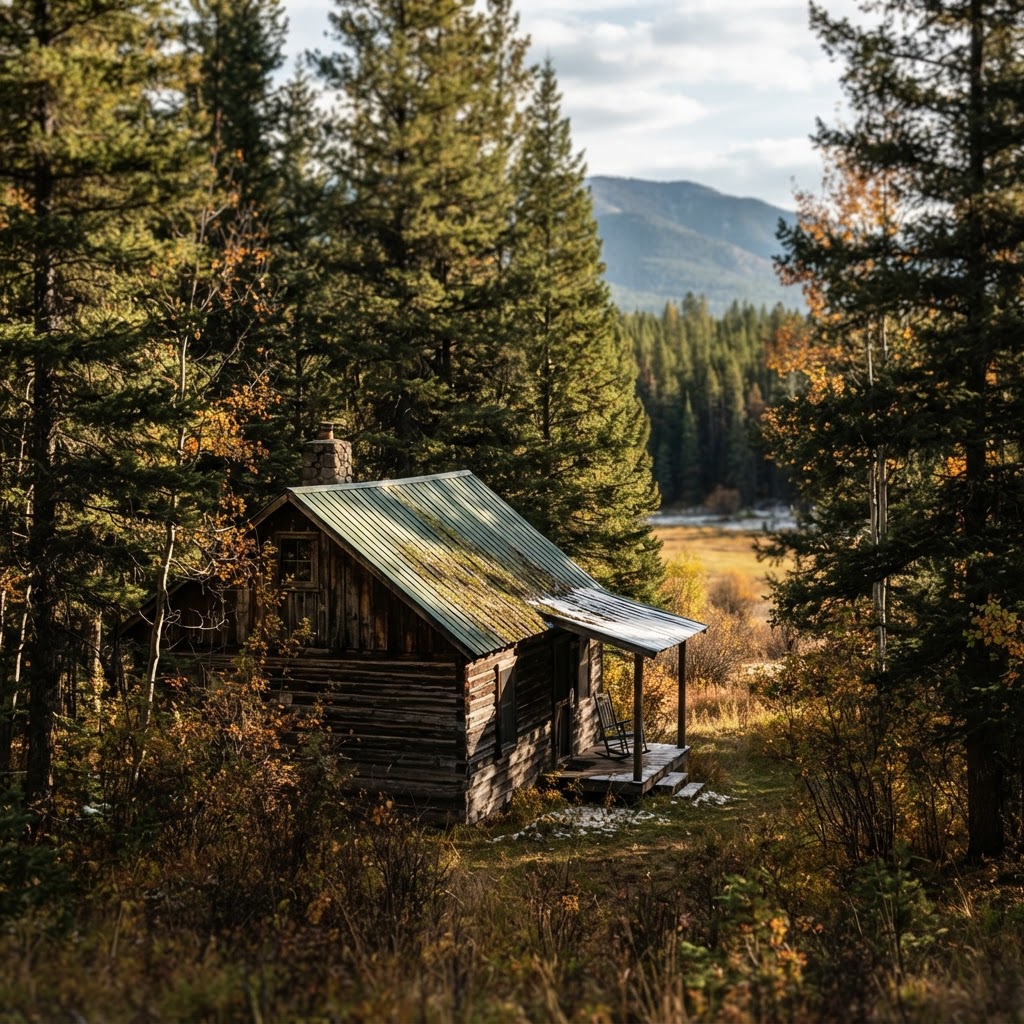
For many residents, the impact has been severe. Debra Tams, a 72-year-old Fairfield resident, reported a 119% increase in property taxes on her cabin near Augusta. Because she resides in a rental in town to remain close to medical care and family, her cabin does not qualify for the homestead exemption, causing her tax bill to climb from $1,528 in 2025 to $3,341 in 2026, as reported by the Montana Free Press ([1]). Tams described the cabin as a vital safety net, yet the rising costs have left her questioning her ability to retain the property.
Disparities in Tax Impact
The legislative intent behind these changes was to ensure that out-of-state property owners contribute more to local infrastructure, such as schools and roads, while protecting full-time residents ([10]). However, data suggests the burden is falling on locals as well. An analysis by Renegade Financial found that while nearly two out of three homes saw a lower tax bill this year, approximately 70,865 properties were taxed at the full 1.90% rate, with three out of four of those homes belonging to individuals with Montana addresses ([3]). Furthermore, of the more than 224,700 properties that did not qualify for an exemption, only 20% were mailed to out-of-state addresses ([1], [10]).
Other residents are facing similar challenges. LouAnn Hansen, who owns a small manufactured home near Flathead Lake, testified before the Revenue Interim Committee that her taxes jumped 93.24% in a single year ([2]). Hansen noted that many seniors in her community are concerned they may be forced to sell their properties, potentially to wealthier out-of-state buyers, if the tax structure is not adjusted ([2], [7]).
For real estate investors and homeowners, this environment underscores the importance of residency status and property classification. While the homestead exemption has successfully lowered bills for about 64% of those who qualified ([1]), the lack of clarity regarding the specific impact on different property types remains a point of contention. Deputy Director of the Department of Revenue Scott Mendenhall stated that the department has not yet completed an analysis to determine exactly which property categories account for the bulk of the 2026 increases ([1]). As the state looks toward the 2027 legislative session, lawmakers are under pressure to refine these policies to address the unintended consequences for long-term Montana residents ([2], [5]).
Sources
- Montana Free Press: New property tax laws meant to protect full-time residents are leading to higher bills for some Montanans
- Daily Montanan: Legislators to tackle property taxes — again — in 2027
- Renegade Financial: Montana's 2026 Property Tax Bills, Read Home by Home
- Montana Department of Revenue: 2026 Tax Information for Montana Property Owners
- KRTV: Montana leaders give updates on implementation of new property tax rates
- Kitchen Table News: Montana Tax Overhaul Hits Some Residents Hard Despite Intended Relief
- Missoula Current: Legislators to tackle property taxes — again — in 2027
- Montana Legislative Services Division: Impact of 2025 Legislative Property Tax Adjustments
- Montana Political Spotlight: 2026-11-19
- NBC Montana: New property tax laws meant to protect full-time residents lead to higher bills for some