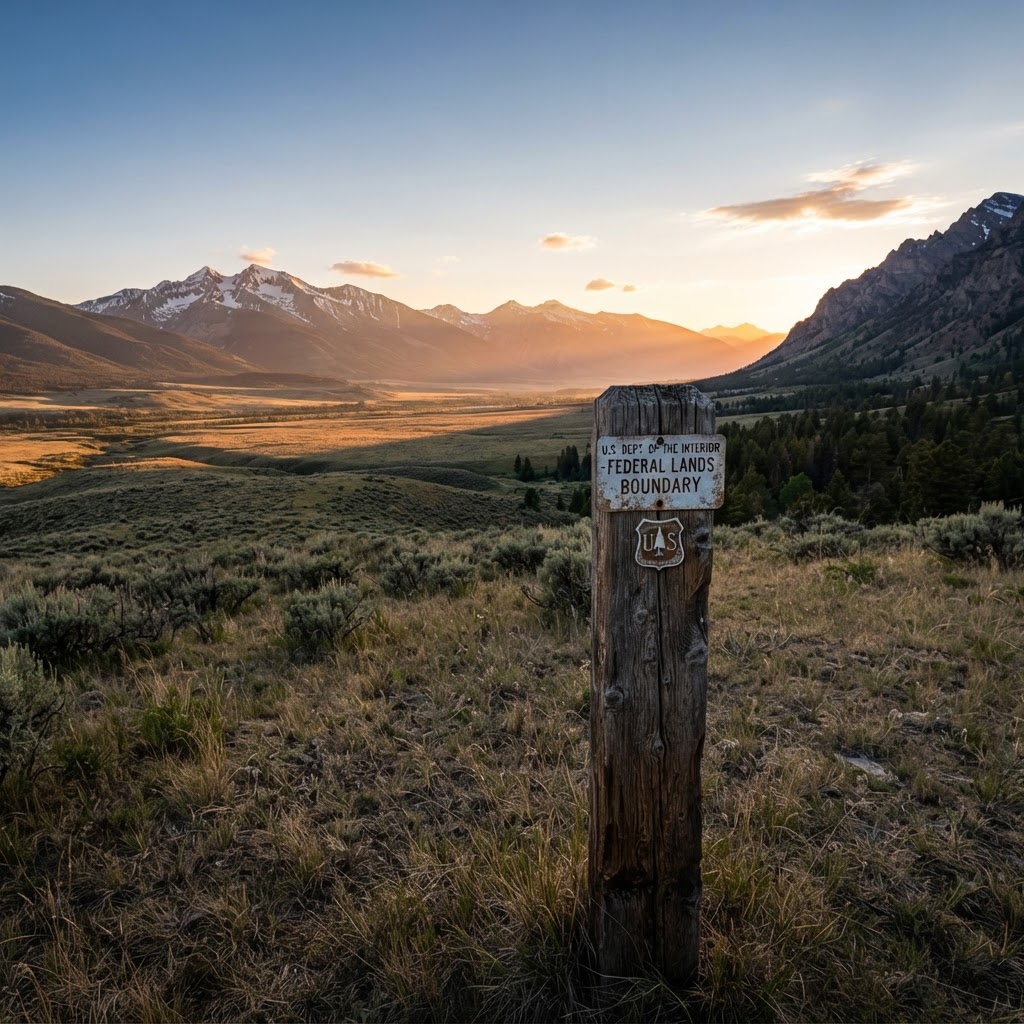
The U.S. Department of the Interior has officially unveiled its 2026–2030 Strategic Plan, a document that outlines a significant shift in federal land management by proposing to reduce the size of the federal estate. According to the plan, the agency intends to offer public lands for purchase to states, local governments, and tribes, arguing that such sales will allow the department to concentrate its resources on "nationally significant" federal lands, as reported by the Flathead Beacon ([3]). The proposal, which spans 28 pages, also emphasizes the pursuit of land exchanges and rights-of-way agreements to support energy production and infrastructure, including data centers, as noted by Outdoor Life ([6]).
For Montana, where nearly 30 percent of the state’s acreage is federally owned, the announcement has triggered immediate and bipartisan opposition ([1]). The Flathead Beacon reports that the plan could impact as much as 27,000 acres within the state ([3]). Montana’s congressional delegation has been vocal in its rejection of the proposal. Senator Tim Sheehy stated he would not allow "ONE ACRE" of Montana land to be sold, citing his previous efforts to block similar provisions in the 2025 One Big Beautiful Bill Act ([3]). Representative Ryan Zinke also confirmed his opposition, pledging to vote against any such measures should they reach the floor during the current congressional session ([3]).
The Impact on Montana’s Landscape
Beyond the political friction, the proposal raises practical concerns for Montana’s real estate and outdoor recreation sectors. Critics, including the Center for Western Priorities, have expressed concern that local governments may lack the budget to maintain acquired lands, potentially leading to their eventual sale to private interests ([4], [9]). For hunters and anglers, the threat is particularly acute; as Backcountry Hunters and Anglers CEO Ryan Callaghan noted to Outdoor Life, many of the lands targeted for potential sale are the "no-name" parcels that provide essential access for outdoor enthusiasts ([10]).
For buyers and investors, this policy shift introduces a new layer of uncertainty regarding land use and access. While the Interior Department claims that sales will help focus management on core responsibilities, the potential for large-scale land transfers to private developers for energy or data center projects could alter the character of rural Montana. With nearly 90% of Montanans surveyed by the University of Montana earlier this year supporting a ban on such sales, the disconnect between federal policy and local sentiment remains a critical factor for anyone looking to navigate the state’s land market in the coming years ([3]).
Sources
https://wisevoter.com/world/us/mt/2026/11/25/interior-plan-proposes-selling-public-lands https://www.mtpr.org/montana-news/2026-11-25/montanas-congressional-delegation-speaks-out-against-proposed-public-land-sales https://flatheadbeacon.com/2026/11/16/montana-delegation-pushes-back-on-interior-plan-to-sell-public-lands https://insideclimatenews.org/news/13112026/federal-government-could-sell-off-untold-acres-of-public-lands https://www.outdoorlife.com/conservation/interior-plan-to-sell-public-lands https://www.outdoorlife.com/conservation/interior-strategic-plan-public-land-sales https://www.upr.org/politics/2026-11-16/interior-department-strategic-plan-public-lands