Blackfeet Nation
Niitsi'tapi — “The Original People”
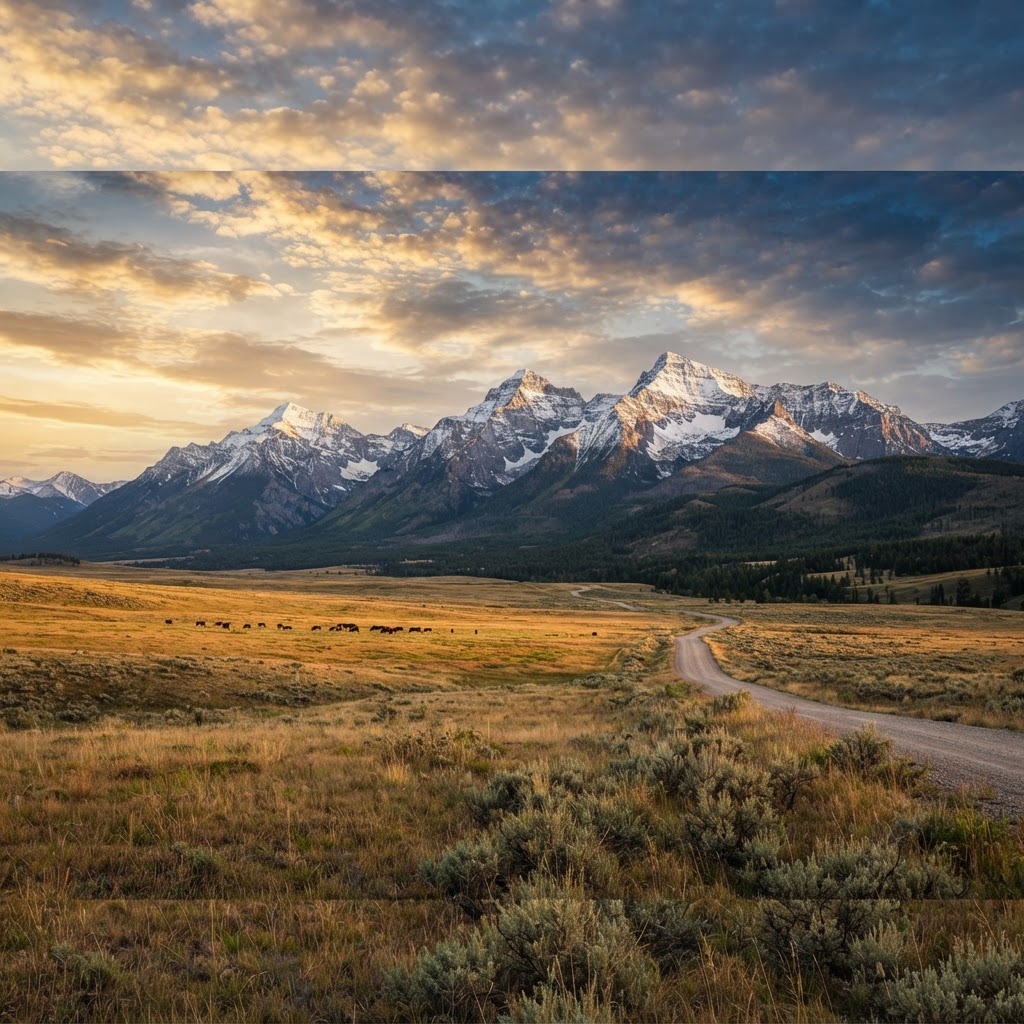
The Blackfeet traditional homeland spans the northwestern Great Plains from the North Saskatchewan River down through northern Montana and into Wyoming — the shortgrass prairie that meets the Rocky Mountains. Their reservation today borders Glacier National Park along its eastern edge, and much of the park's land was once Blackfeet territory sold to the United States in 1895.
At a Glance
Key Facts
Reservation
Blackfeet Indian Reservation
~3,000 sq mi (1.5 million acres)
Seat
Browning, Montana
Enrolled Members
~17,000 enrolled members
Established
1855 (Lame Bull Treaty) · reservation 1888
Their Name for Themselves
Niitsi'tapi — “The Original People”
History
Blackfeet Nation: History
The full story — from traditional homelands through the treaty and reservation era to today.
The Blackfeet (or Blackfoot Confederacy) are a plains people made up of three bands: the Siksika, the Kainai (Blood), and the Piikani. The Montana band is the Aamsskáápipikani (Northern Piikani). Their culture was built entirely around the bison — a horse-rich, nomadic hunting society that dominated the northwestern plains from the 1700s through the mid-1800s.
The collapse of the bison in the early 1880s devastated the Blackfeet. The winter of 1883–84 is remembered as a starvation winter; hundreds died. In 1888 the tribe was confined to a reservation in northern Montana. In 1895, under pressure, the tribe sold the eastern slope of the mountains to the U.S. government — land that became the eastern half of Glacier National Park — while retaining off-reservation hunting, fishing, and gathering rights that are still exercised today.
In 1934 the Blackfeet reorganized their government under the Indian Reorganization Act, and the modern Blackfeet Tribal Business Council was established. The tribe has spent the past decade reasserting those reserved Glacier rights and restoring bison to the eastern front.
Culture & Language
Culture & Language
The living traditions, language, and ceremony that define this nation.
The Blackfoot language is Algonquian and remains a priority for revitalization through immersion schools and the Cuts Wood immersion program at Blackfeet Community College.
The Okan, or Medicine Lodge Ceremony (the Blackfoot Sun Dance), is the central annual religious ceremony. Sacred bundles and the Beaver Bundle carry the tribe's ceremonial knowledge.
The Museum of the Plains Indian in Browning, founded in 1941, is one of the oldest tribal museums in the United States. North American Indian Days, held every July in Browning, is the tribe's largest powwow.
Modern Community
Today
How this nation governs and sustains itself in the present day.
Ranching, oil and gas leases, tourism, timber, and tribal enterprises. The Blackfeet have led a major bison restoration effort on the eastern front and run the Glacier Peaks Casino near Browning.
This page is an educational resource on the Indigenous nations whose homelands include present-day Montana. For the most accurate and current information on each nation, visit the tribe's official website or cultural department directly.