Crow Nation
Apsáalooke — “Children of the Large-Beaked Bird”
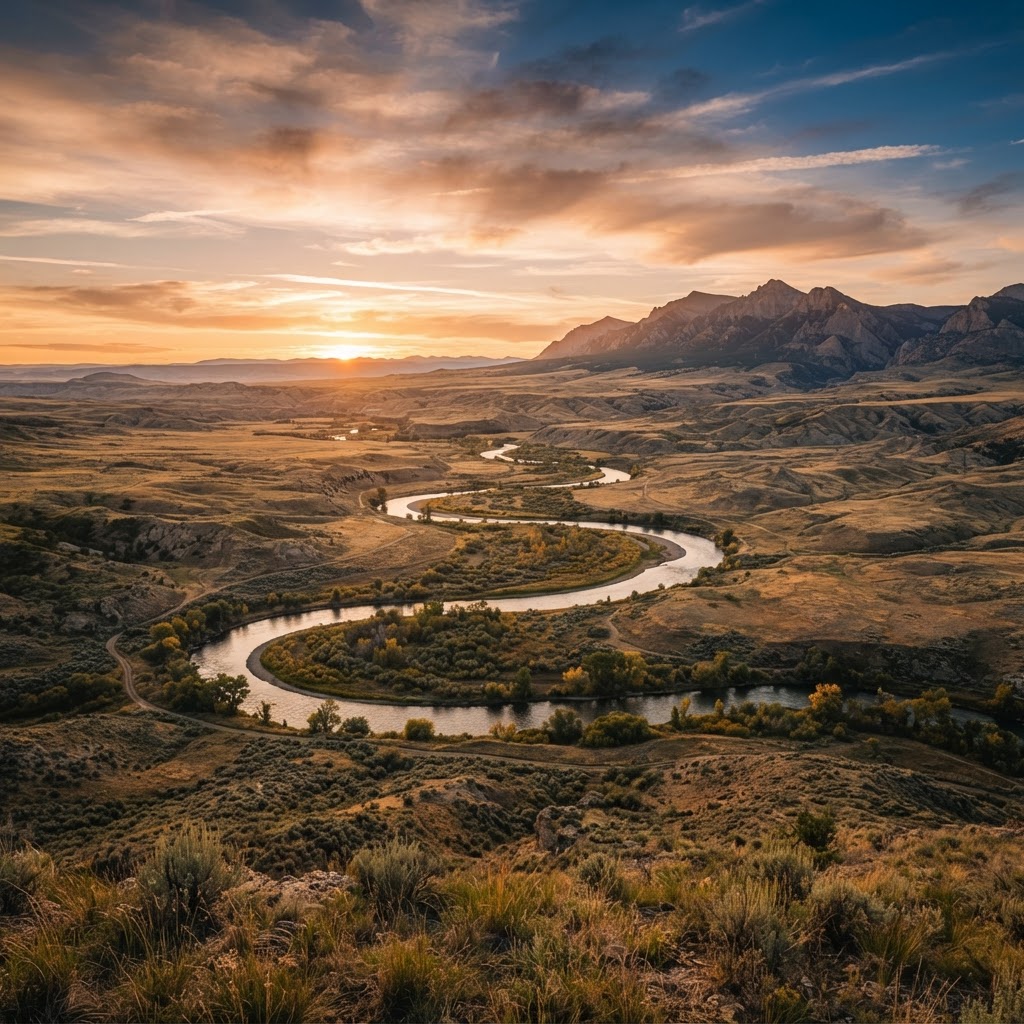
The Crow homeland centers on the Bighorn River and the Bighorn Basin of south-central Montana, with traditional territory reaching into northern Wyoming. Their reservation is the largest in Montana, covering much of the Bighorn and Pryor Mountain country and the floor of the Little Bighorn Valley.
At a Glance
Key Facts
Reservation
Crow Indian Reservation
~3,600 sq mi (2.3 million acres) — largest in Montana
Seat
Crow Agency, Montana
Enrolled Members
~14,000 enrolled members
Established
1851 Treaty of Fort Laramie · 1868 boundary set
Their Name for Themselves
Apsáalooke — “Children of the Large-Beaked Bird”
History
Crow Nation: History
The full story — from traditional homelands through the treaty and reservation era to today.
The Apsáalooke migrated west from the upper Midwest onto the northern plains, becoming a horse-rich plains buffalo-hunting people. By the early 1800s they were among the best-mounted tribes on the continent. They were long-time enemies of the Lakota and Northern Cheyenne, a rivalry that shaped the alliances at the Battle of the Little Bighorn.
At the 1851 Treaty of Fort Laramie the Crow were allocated a vast territory; the 1868 treaty compressed that to the reservation's modern boundaries. Crow scouts served as U.S. Army auxiliaries, and several Crow scouts were present with Custer at the Little Bighorn in 1876 — a complicated chapter the Crow still discuss.
The tribe reorganized under the IRA in 1948 and today operates one of the most mineral-rich reservations in Montana, including the Absaloka coal mine (now wound down) and major water and grazing enterprises.
Culture & Language
Culture & Language
The living traditions, language, and ceremony that define this nation.
Crow is a Siouan language, taught at Little Bighorn College. The tribe is matrilineal, with clan and maternal-line identity central to social structure.
Crow Fair, held every August in Crow Agency, is one of the largest powwows and encampments in North America — known as the “Tipi Capital of the World,” with hundreds of tipis lining the Little Bighorn River.
The tribe's Sun Dance, horse relay races, and elaborate beadwork remain central cultural practices.
Modern Community
Today
How this nation governs and sustains itself in the present day.
Agriculture (cattle and hay), coal mining (historically at the Absaloka mine), Apsáalooke tourism, hydroelectric leases on the Yellowtail Dam, and the Plenty Coups State Park near Pryor.
This page is an educational resource on the Indigenous nations whose homelands include present-day Montana. For the most accurate and current information on each nation, visit the tribe's official website or cultural department directly.