Northern Cheyenne
Tsétsêhéstâhese — “The People”
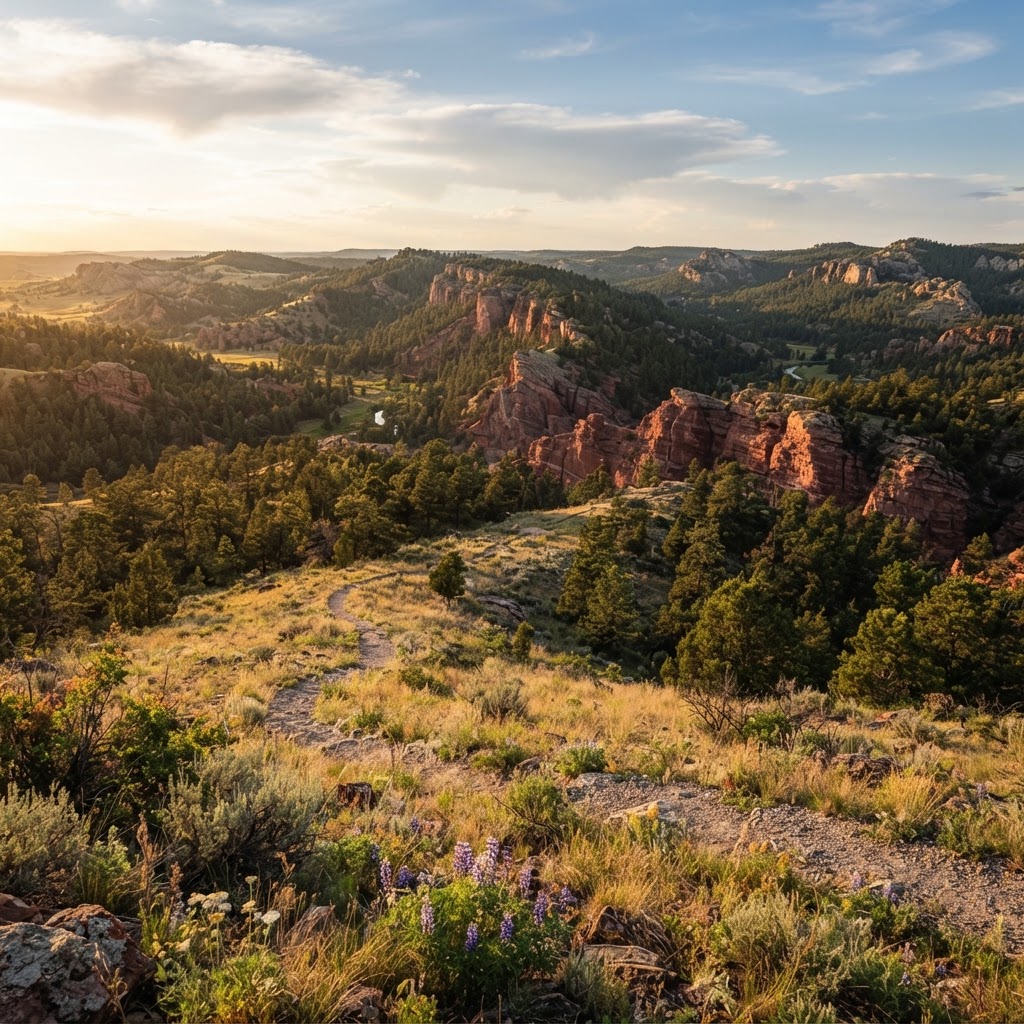
The Northern Cheyenne reservation lies along the Tongue River in southeast Montana, between the Bighorn and the Rosebud, a country of pine ridges and red sandstone buttes. The tribe shares this landscape with their long-time Lakota allies to the east.
At a Glance
Key Facts
Reservation
Northern Cheyenne Reservation
~1,100 sq mi (706,000 acres)
Seat
Lame Deer, Montana
Enrolled Members
~12,000 enrolled members
Established
1884 (executive order)
Their Name for Themselves
Tsétsêhéstâhese — “The People”
History
Northern Cheyenne: History
The full story — from traditional homelands through the treaty and reservation era to today.
The Cheyenne migrated west from the Great Lakes region and became plains buffalo hunters. By the mid-1800s they had split into Northern and Southern bands. The Northern Cheyenne allied closely with the Lakota and were among the warriors who defeated Custer at the Little Bighorn in 1876.
After the Little Bighorn, the Northern Cheyenne were forced south to Indian Territory (Oklahoma) in 1877–78. Ravaged by disease and starvation, Chiefs Dull Knife and Little Wolf led a legendary breakout and march back north through the winter of 1878–79 — one of the most famous endurance marches in American Indian history. Survivors were eventually allowed a reservation in Montana, established by executive order in 1884.
The Northern Cheyenne reorganized their government in 1935 and have been at the forefront of coal-policy and climate planning, releasing a 2020 Climate Change Adaptation Plan.
Culture & Language
Culture & Language
The living traditions, language, and ceremony that define this nation.
The Cheyenne language is Algonquian and taught at Chief Dull Knife College in Lame Deer, the tribe's two-year college.
The Sacred Arrows (Maahotse) and the Sun Dance remain the central religious ceremonies; the Massaum (Animal Dance) is a distinctive Cheyenne tradition.
Powwow Grounds in Lame Deer host the annual Fourth of July powwow; the tribe maintains one of the most intact language programs of the plains Algonquian nations.
Modern Community
Today
How this nation governs and sustains itself in the present day.
Agriculture, coal leasing (the tribe has historically resisted coal development on its sacred lands), timber, and a growing cultural-tourism and bison-restoration program.
This page is an educational resource on the Indigenous nations whose homelands include present-day Montana. For the most accurate and current information on each nation, visit the tribe's official website or cultural department directly.