Montana State Seal

Montana History

From the first Indigenous nations 12,000 years ago to the gold rushes, copper empires, and the modern tech migration — the remarkable story of Big Sky Country.
📅
12,000+
Years of History
🪶
8 Nations
Native Tribes
1889
Statehood
⛏️
Oro y Plata
State Motto
Pre-Contact & Native Nations
~10,000 BCE – 1803
🪶

Pre-Contact & Native Nations

✦ Montana has more federally recognized tribes per capita than almost any other state.

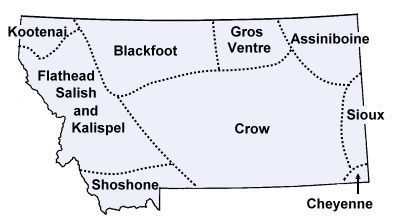
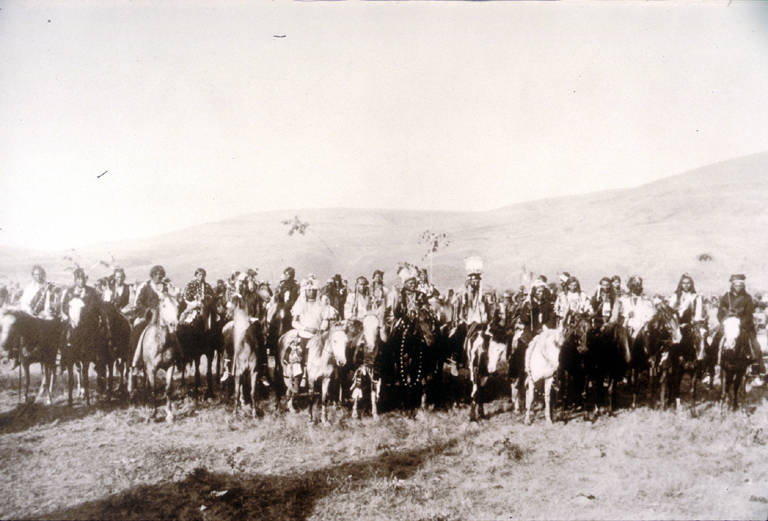
Montana has been home to Indigenous peoples for at least 12,000 years. Dozens of tribes called this land home, including the Blackfeet, Crow, Assiniboine, Gros Ventre, Salish, Kootenai, Chippewa Cree, Fort Peck Assiniboine and Sioux, and Northern Cheyenne. Each nation developed rich cultures, languages, and spiritual traditions deeply connected to Montana's rivers, mountains, and wildlife.
The Blackfeet Confederacy controlled much of the northern plains and Rocky Mountain Front
Crow Nation territory centered on the Yellowstone and Bighorn River valleys
The Salish and Kootenai peoples inhabited the western mountain valleys
Buffalo hunting was central to plains culture — before horses, hunters used 'buffalo jumps'
Head-Smashed-In Buffalo Jump in Alberta and Ulm Pishkun in Montana are famous examples
Montana has 8 federally recognized tribal nations today, the most of any state per capita
Lewis & Clark Expedition
1804 – 1806
🗺️

Lewis & Clark Expedition

✦ Clark's signature carved into Pompeys Pillar near Billings is the only physical evidence of the Corps of Discovery left on the trail.

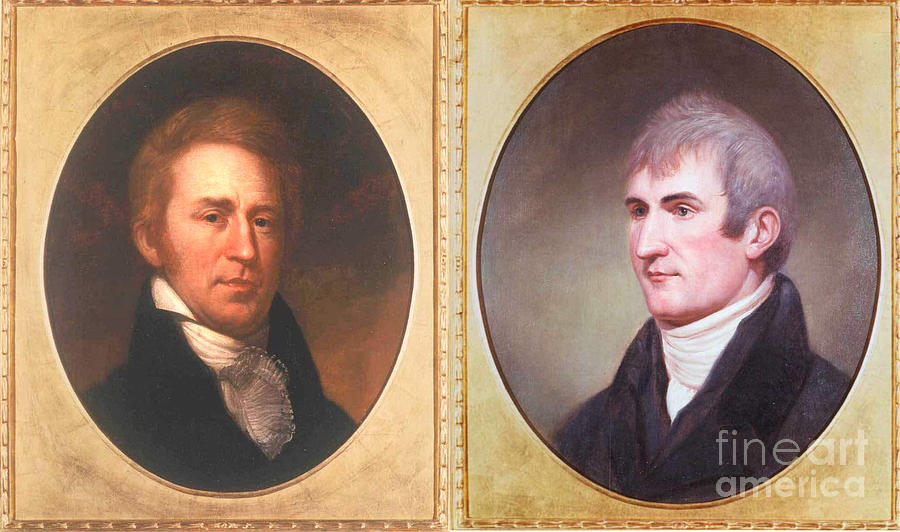
The Corps of Discovery led by Meriwether Lewis and William Clark crossed what is now Montana in 1805–1806, becoming the first Americans to document the region's geography, wildlife, and peoples for the U.S. government. Their journals remain one of the most detailed records of early Montana.
The Corps entered Montana near present-day Williston, ND on April 26, 1805
Lewis and Clark named hundreds of natural features — many names persist today
They encountered grizzly bears for the first time in Montana
The Great Falls of the Missouri required an 18-mile portage — the most arduous part of the trip
Lewis explored the Marias River to determine the northern border of the Louisiana Purchase
Clark carved his name into Pompeys Pillar near Billings in July 1806 — still visible today
Fur Trade Era
1807 – 1850
🦫

Fur Trade Era

✦ Fort Benton, established in 1846, became the furthest inland navigable port in North America.

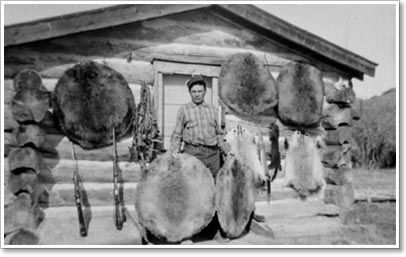
Following Lewis and Clark, fur traders and mountain men flooded into Montana. Beaver pelts were highly prized in Europe for felt hats. The fur trade era brought the first sustained contact between Euro-Americans and Montana's Indigenous peoples, with both cooperation and conflict.

Manuel Lisa established the first fur trading post in Montana — Fort Raymond — in 1807
American Fur Company, run by John Jacob Astor, dominated the trade by the 1830s
Fort Benton on the Missouri River became a critical trading hub
Annual 'Rendezvous' gatherings brought together trappers, traders, and Native peoples
Overhunting of beaver by 1840 effectively ended the fur trade era
Jesuit missionaries arrived in 1841, establishing St. Mary's Mission in the Bitterroot Valley
Gold Rush & Early Settlement
1862 – 1875
⛏️

Gold Rush & Early Settlement

✦ Virginia City's gold production made it one of the richest mining towns in the American West.

Gold discoveries at Grasshopper Creek (1862), Alder Gulch (1863), and Last Chance Gulch (1864) triggered Montana's first population boom. Towns like Virginia City, Nevada City, and Helena sprang up almost overnight. The Montana Territory was officially created in 1864.
Bannack was Montana's first territorial capital, established after the Grasshopper Creek gold strike
Virginia City produced over $30 million in gold during its boom years
Last Chance Gulch — today's Helena — was discovered by four prospectors in July 1864
The Montana Territory was officially organized on May 26, 1864
Road agents (bandits) plagued gold shipments — the notorious Plummer Gang terrorized travelers
Vigilante justice was common — over 20 men were hanged by vigilance committees
Indian Wars & the Nez Perce Flight
1865 – 1877
🏹

Indian Wars & the Nez Perce Flight

✦ The Nez Perce War of 1877 covered 1,170 miles across four states — one of the most remarkable military retreats in history.

As settlers flooded Montana, violent conflicts with Indigenous peoples intensified. The most dramatic episode was the 1877 flight of the Nez Perce — Chief Joseph led roughly 800 men, women, and children on a 1,170-mile journey across Montana attempting to reach Canada, pursued by U.S. Army forces.

The Battle of the Big Hole (August 9, 1877) was one of the bloodiest engagements of the Nez Perce War
Chief Joseph's famous surrender speech: 'From where the sun now stands, I will fight no more forever'
The Nez Perce fled through Yellowstone, passing just north of the park's tourist areas
They were captured just 40 miles from the Canadian border at the Battle of Bear Paw
The Battle of the Little Bighorn (1876) occurred just south of present-day Hardin
Lt. Col. George Custer and 268 U.S. soldiers were killed at the Little Bighorn
Copper Kings & the Mining Boom
1875 – 1910
🔩

Copper Kings & the Mining Boom

✦ Butte's Berkeley Pit was once the largest open-pit copper mine in North America.

The discovery of vast copper deposits beneath Butte transformed Montana's economy. Butte became one of the richest cities in America, and the battle among Copper Kings — Marcus Daly, William Clark, and F. Augustus Heinze — shaped Montana politics for decades.
Marcus Daly's Anaconda Mine became the world's richest copper deposit
Butte's 'War of the Copper Kings' involved bribery, newspaper wars, and political manipulation
At peak production, Butte produced 25% of the world's copper supply
The Anaconda Company became one of the largest corporations in the world
William Clark used his copper wealth to buy a U.S. Senate seat — literally
Butte's population exceeded 100,000 at its peak — larger than modern Billings
Statehood & Homestead Era
1889 – 1920
🌾

Statehood & Homestead Era

✦ Montana's bust came a decade before the Great Depression — by 1925, half the state's banks had failed.

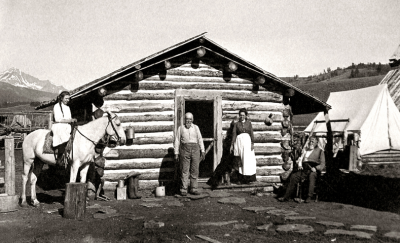
Montana achieved statehood on November 8, 1889, as part of a wave of Western admissions. The Enlarged Homestead Act of 1909 brought tens of thousands of new settlers to Montana's plains, lured by promises of free land. A devastating drought cycle in the late 1910s forced most to abandon their claims.
Montana became the 41st state on November 8, 1889
The Enlarged Homestead Act of 1909 offered 320 acres to settlers — double the usual 160
Over 80,000 homesteaders filed claims in Montana between 1910 and 1923
Drought from 1917–1920 combined with dropping wheat prices devastated homesteaders
Half of Montana's banks failed during the 1920s — before the Great Depression hit the rest of the country
Jeannette Rankin became the first woman elected to U.S. Congress in 1916 — from Montana
20th Century & Modern Montana
1920 – Present
🏙️

20th Century & Modern Montana

✦ Montana's population grew 13% between 2010 and 2020 — among the fastest in the nation.

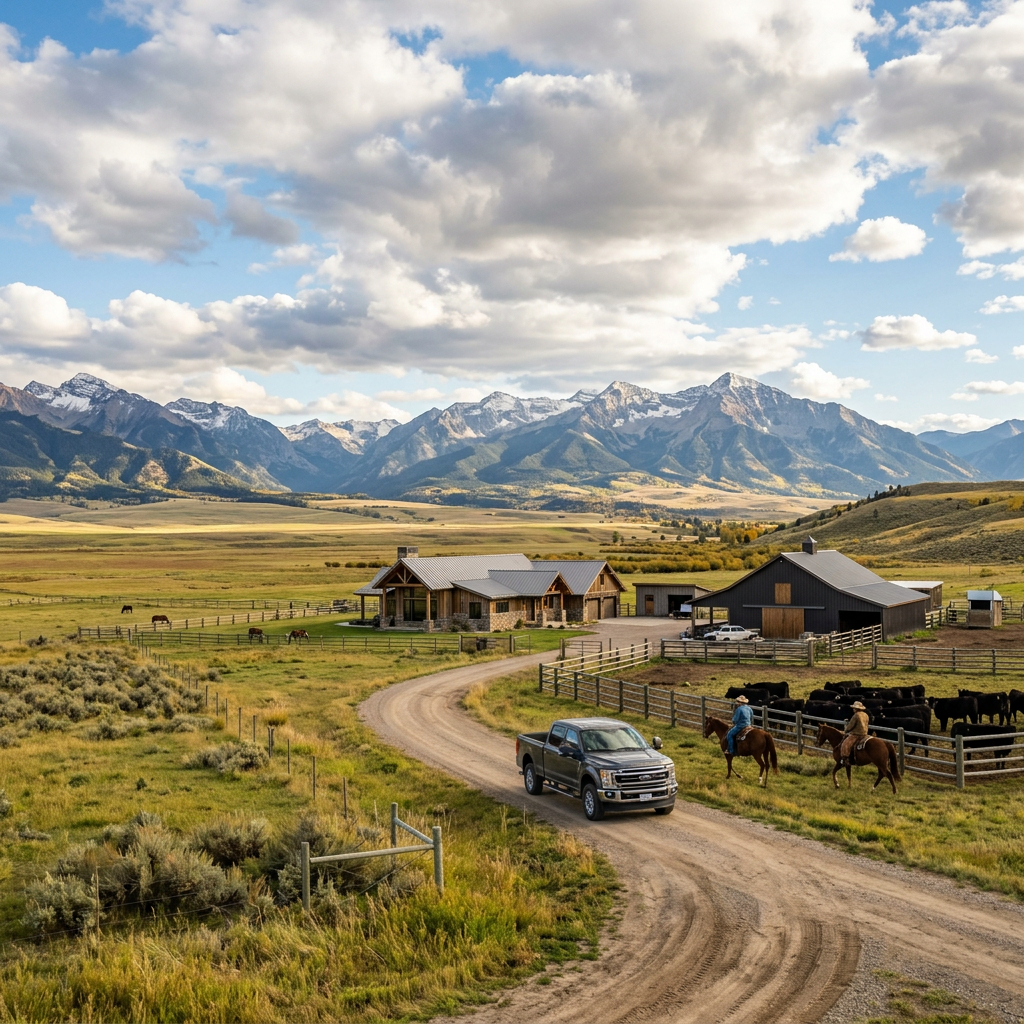
Through the Great Depression, World War II, post-war growth, and the technology boom of the 21st century, Montana has transformed from a resource-extraction economy to a diverse state attracting remote workers, outdoor enthusiasts, and entrepreneurs.

Glacier National Park was established in 1910 — one of the first national parks
Fort Peck Dam, built 1933–1940 during the New Deal, created one of the largest reservoirs in the US
Malmstrom Air Force Base in Great Falls became a key Cold War ICBM site
The 1988 Yellowstone fires burned 793,000 acres — a defining moment in fire management policy
Bozeman's population has doubled since 2000, driven by MSU and tech migration
Montana has no state income tax — a major driver of recent in-migration
Was this helpful?
Free Home Value