Montana National Parks
Montana's crown jewels — from the glaciers of the Northern Rockies to Yellowstone's geothermal wonders and the historic battlefields of the Great Plains.
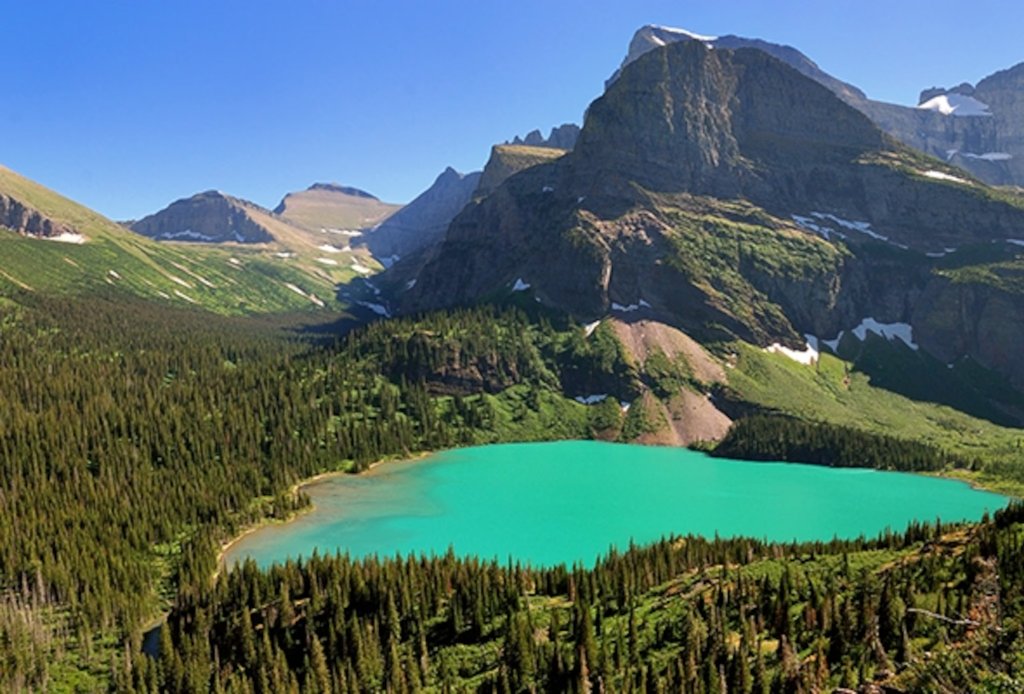
Glacier National Park
The Crown of the Continent
Glacier National Park is one of the most spectacular and pristine ecosystems in North America. Known as the 'Crown of the Continent,' the park spans over one million acres of rugged mountains, ancient glaciers, turquoise lakes, and diverse wildlife. The Going-to-the-Sun Road — a 50-mile mountain highway — is one of the most scenic drives in the world.
Highlights
Popular Trails
Nearest City
Kalispell (30 min), Whitefish (25 min), Columbia Falls (10 min)
Best Time to Visit
Mid-July through mid-September for full road access. July–August peak. September for crowds and fall color.
Properties within 30 minutes of Glacier's west entrance command a 20–40% premium over comparable homes elsewhere in Flathead Valley.

Yellowstone National Park
America's First National Park
The world's first national park, established in 1872, Yellowstone sits atop one of the world's largest active supervolcanoes. The park contains half of the world's geothermal features — over 10,000 hydrothermal features including geysers, hot springs, fumaroles, and mud pots. The Lamar Valley is the best place in the world to see wolves in the wild.
Highlights
Popular Trails
Nearest City
Gardiner, MT (North Entrance) — Livingston is 55 miles north, Bozeman is 90 miles north
Best Time to Visit
May–October for most features. January–March for wildlife viewing on snowmobile or snowcoach tours.
Gardiner sits at Yellowstone's North Entrance. Livingston, 55 miles north, offers significant value with full Yellowstone access and a thriving arts community.
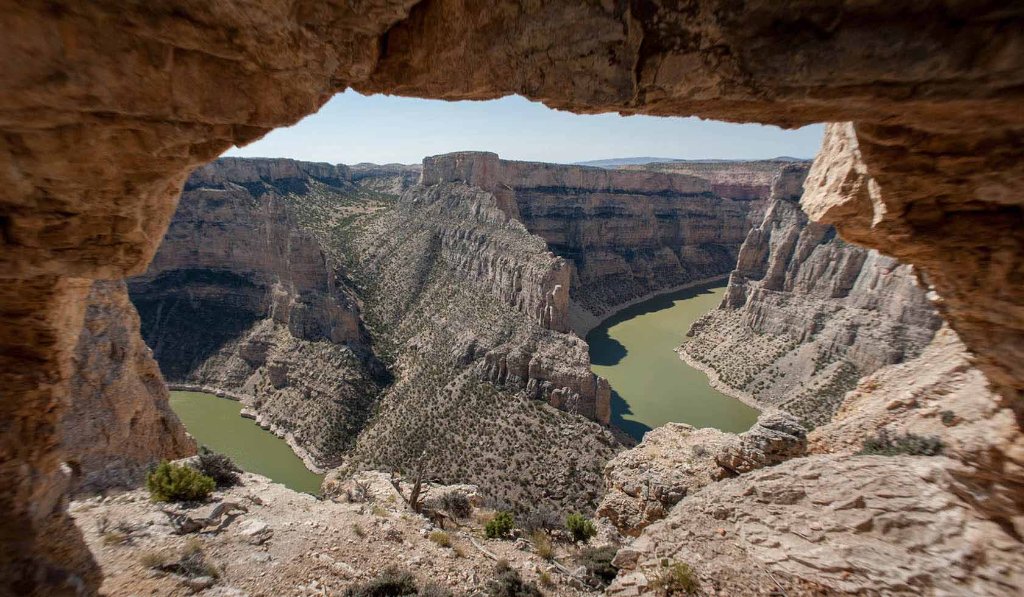
Bighorn Canyon National Recreation Area
A 2,000-Foot Chasm of Ancient Geology
Bighorn Canyon National Recreation Area spans the Montana-Wyoming border, featuring the dramatic Bighorn Canyon — a 2,000-foot-deep gorge carved by the Bighorn River. The 71-mile Bighorn Lake behind Yellowtail Dam is a premier destination for boating, fishing, and wildlife viewing.
Highlights
Popular Trails
Nearest City
Hardin, MT (40 miles north), Lovell, WY (south entrance)
Best Time to Visit
May through October. Summer for boating, spring/fall for wildlife.
Hardin offers some of Montana's most affordable real estate with access to both Bighorn Canyon and the Little Bighorn Battlefield.
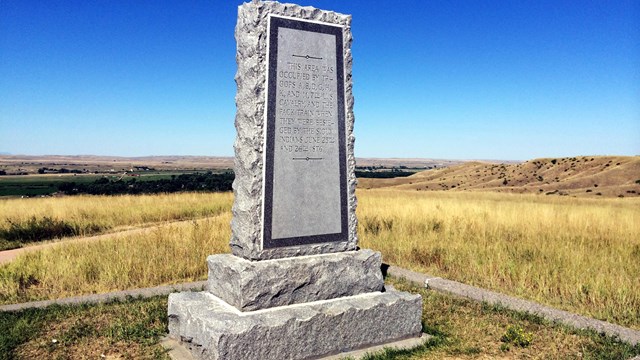
Little Bighorn Battlefield National Monument
Site of Custer's Last Stand
The Little Bighorn Battlefield preserves the site of the Battle of Little Bighorn (June 25–26, 1876) — one of the most decisive Native American military victories in U.S. history. Lt. Col. George Armstrong Custer and 268 U.S. soldiers were killed by Lakota Sioux, Cheyenne, and Arapaho warriors led by Crazy Horse and Sitting Bull.
Highlights
Popular Trails
Nearest City
Hardin, MT (15 miles north), Billings (65 miles northwest)
Best Time to Visit
May through September. Annual anniversary commemoration on June 25–26.
The Hardin area offers exceptional value with unique historical significance. One of Montana's most affordable markets.
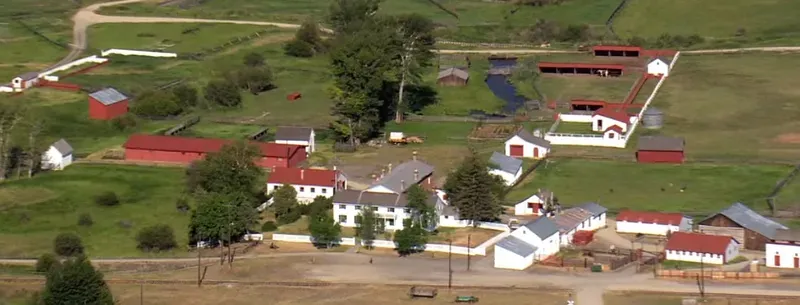
Grant-Kohrs Ranch National Historic Site
A Living 19th Century Cattle Ranch
One of the finest surviving examples of the great cattle ranches that dominated the American West during the late 1800s. The ranch once encompassed 10 million acres across four states. Today it operates as a living history site with over 80 historic buildings and a working cattle operation.
Highlights
Popular Trails
Nearest City
Deer Lodge (in town), Butte (40 miles south), Missoula (75 miles west)
Best Time to Visit
June through August for full programming. Open year-round with reduced hours off-season.
Deer Lodge and Anaconda offer some of Montana's most affordable real estate — great entry points with easy I-90 access.
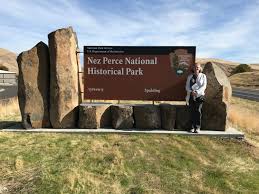
Nez Perce National Historical Park
Trail of the 1877 Flight
The Nez Perce National Historical Park commemorates the 1877 flight of the Nez Perce people led by Chief Joseph. The Montana sites include the Big Hole National Battlefield — scene of one of the war's bloodiest engagements — and the Bear Paw Battlefield where Chief Joseph delivered his surrender speech.
Highlights
Popular Trails
Nearest City
Wisdom, MT (Big Hole), Chinook, MT (Bear Paw), Dillon (30 miles from Big Hole)
Best Time to Visit
June through September. Big Hole site has ranger programs daily in summer.
Dillon and the Big Hole Valley offer affordable southwest Montana real estate with world-class fly fishing and wilderness access.
Also In Montana
State parks, national monuments, and other protected lands worth exploring
Pompeys Pillar National Monument
Near Billings
The only physical evidence of the Lewis & Clark Expedition on the trail — William Clark's 1806 signature carved into the sandstone.
Upper Missouri River Breaks National Monument
Central Montana
160 miles of wild Missouri River as Lewis & Clark saw it. White cliffs, badlands, and frontier history.
Medicine Rocks State Park
Carter County (Southeast MT)
Surreal sandstone formations revered by Native peoples for centuries — a lesser-known Montana gem.
Missouri Headwaters State Park
Three Forks
Where the Jefferson, Madison, and Gallatin Rivers join to form the Missouri — Lewis & Clark camped here.
Makoshika State Park
Glendive
Montana's largest state park — stunning badlands with dinosaur fossils, hoodoos, and 11,000+ acres.
Lewis and Clark Caverns State Park
Jefferson County
Montana's first state park — a spectacular limestone cave system with guided tours.